cottagecore

The Incomplete Guide to a Perfect Picnic

Hello Strangers,

As mentioned in my last blog post, the first week of spring has come and gone. Across the country and various parts of the world, the earth is in a state of thaw. For many it will soon be blooming, and where I live, it already is. By mid-April or mid-May, it will be good enough weather for picnics. 

When I was a teenager, we moved to a place with large communal green spaces. My little sister and I would trek to the grocery store, buy heavily discounted pies and cakes, get our favorite bottle of soda (or chocolate milk depending on the day), maybe some chips, and we’d head over to the commons. These are cherished memories, and they also taught me a couple of things I’d like to do differently in the future. 
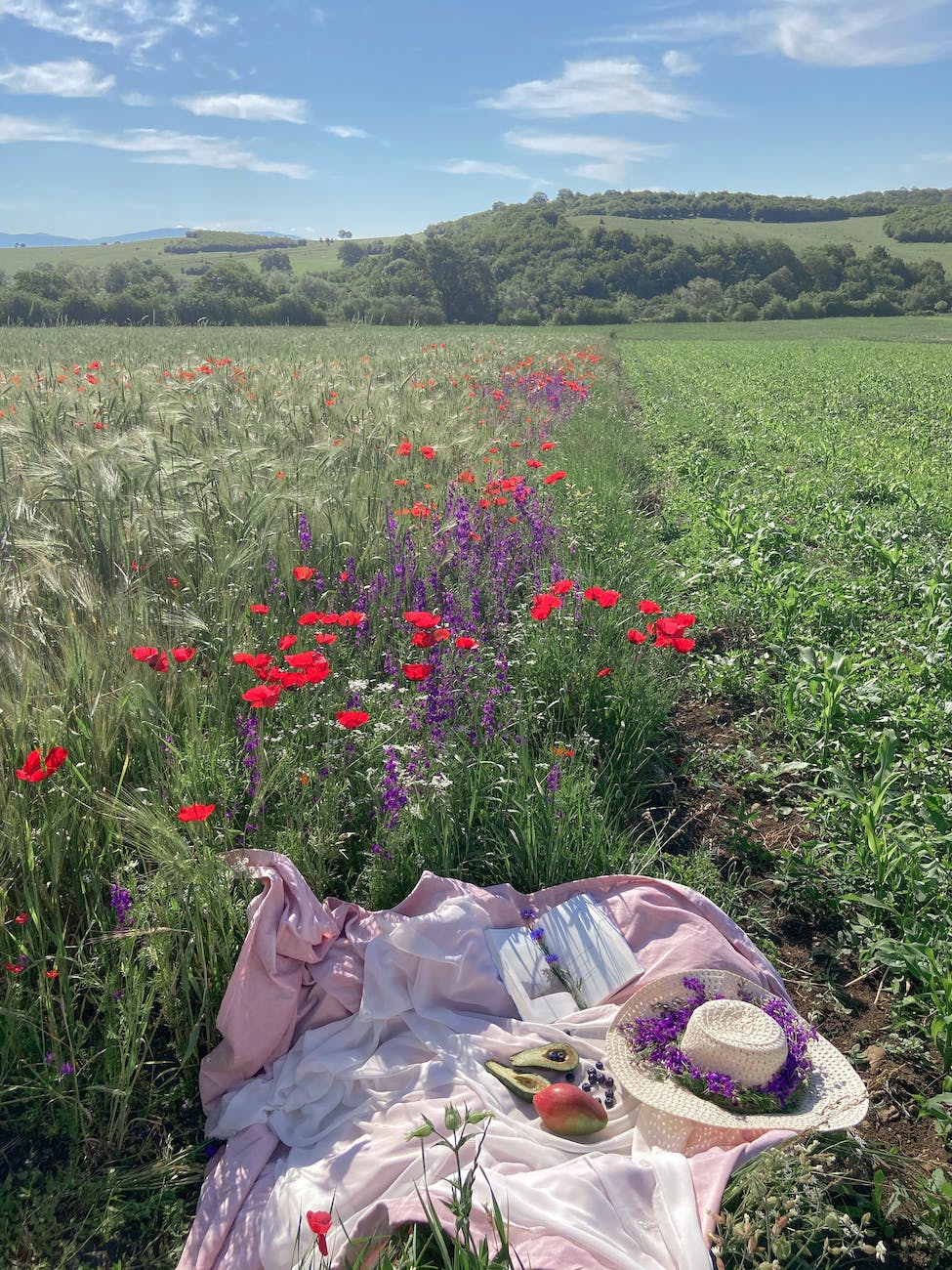
Photo by Mariam Antadze on Pexels.com

The Basket. 

In every period drama or indie film, picnics involve that classic wicker basket. I support this. With a basket, you’re able to carry cups, plates, and cutlery, as well as dishes that are harder to travel with like salads, sandwiches, fruit salads, or cakes. And of course, the picnic blanket! My sister and I used a backpack and because of the shape and the way it’s carried, things often fell over, bottles leaked, and it was heavy and hard to carry. You can find wicker baskets at thrift stores and garage sales but be wary of mold…They can be bought new at retailers like Walmart, Target, Hobby Lobby, and Michaels, or online stores. I’d recommend a fairly large basket. 

The Blanket.

The bigger the better. Discounted sheet sets can be good options, or any large blanket will do. Perhaps consider gathering some rocks to set at the edges so it doesn’t blow up in the air when the wind comes. 

Peppermint. 

While the first two seem fairly obvious, peppermint essential oil mixed with an odorless alcohol, water, or a carrier oil, can be sprayed around the edges of your blanket and on your ankles to repel spiders and most insects. It’s a natural alternative to harmful chemicals that works well. 

The Menu

This is probably the most fun aspect of picnics for me. I absolutely loved taking store bought food and stuffing my face with cake…But there is so much fun to be had with the food. Things that don’t need to be heated up and things that aren’t soggy or make a big mess are good options. These might include tea sandwiches, antipasto, salads, fruit salads, cakes that have berries and fresh fruits included that need less or no icing, cookies, trail mix, etc. The reason I say this is fun is because, sure, you can make delicious peanut butter and jelly or ham and cheese sandwiches. But this is a great time to experiment with bread, cheese, pesto, vegetable combinations, seasonings and sauces. In art, a lot of instructors will tell students to draw what they see; not what they think they see. Sometimes we hear salad and think “dry lettuce”. That is not the only way to make a salad. Get Creative! Experiment! You’ll Have So Much Fun!

Containers

The other thing about picnics is, you might be a mother of three kids under age eight, or you might be a single teen going solo or with a small group of friends. Do whatever makes sense for you. I’d bring plates, mason jars I’d filled up at home with tea or lemonade, forks and knives, napkins, and Tupperware. For me, it’s best to keep things simple, and I want them to be pretty, too.

What Else to Bring?

For a quieter day, bring journals, pens, watercolors or other art supplies, magazines or a book. If you’re with friends or children, take games, frisbees, kites, and other activity-based supplies along. Also consider your first aid kit, Benadryl for allergy emergencies, clothes to warm up with, a sunhat, sunglasses, et cetera. 

. . .

Some of my favorite memories involve wandering off in the woods to take pictures, paint, or gather inspiration for my stories. Some of my favorite memories with my sister involve picnics. This year I hope to have more meals outdoors and more time to play. I hope this spring you’ll find moments that make you happy in the same way. 

With love,

–Mabel
Art & Writing

The Medium of Story…

Hello Strangers, 

It is officially spring! Has been for a week. Flowers are blooming with the leaves on the trees, bugs are back, jumping and buzzing above the wildflowers and grasses, and the sun has gotten some of its color back. It’s looking to be a beautiful season. 

There are so many stories in nature. One area of the forest holds standing water, mosquitoes, and the moss which will continue to live despite  the summer heat, another has a babbling brook and Black Eyed Susans that the deer come to drink at, still another holds a meadow, which somehow always manages to catch the sunlight, gold in the middle, and green at the edges from the filter of the leaves. 

That’s an apt metaphor for story as well. I read somewhere that a lot of people today have stories inside them, but assume they have to turn them into novels. That simply isn’t true, there are a thousand ways to tell a story. They don’t even have to be written

My favorite living artist is named Robin Sealark. She has an excellent YouTube channel under that name, and she was the person who taught me to experiment with everything in my art. To sketch, paint, and tell story with abandon. Art-a-thons and studies, realistic and stylized…She explained that in the first year of an art degree, students work in the studio for hours a day, months on end, trying everything. Acrylic, oil, gouache, watercolor, graphite, charcoal, chalk, crayons, sculpting, digital mediums…And then after they’ve tried everything, they specialize.  

So, in a generation that has access to everything, do we limit ourselves? 

I’ve started a journal, and everytime I have a story idea, I write it down. I think about it, and then I also add what medium I think it’s best suited to. Some of my stories are very visual, so I pick comics, graphic novels, or animations, (animations are obviously out of reach for a lot of creators, but I still like to list it as an option!) and some stories enter my mind and I imagine telling them around a campfire or as a bedtime story. These might be better suited to podcasts, songs, or a simply written script I can memorize and tell as a bedtime story, or at a campfire. Not everything has to belong to everyone. 

You can write novels, short stories, poems, tv scripts, you can make mixed media stories like comics and graphic novels, you can make sculptures and paintings that encompass a story, dance, song, podcast, blog, youtube channel. You can cook stories! You can weave a story! Literally. 

What I’m asking is that you don’t limit yourself before you’ve tried everything. Even the people who write medical textbooks and grants are telling stories. Marketing is storytelling. Landscape paintings are stories. Embrace all of the mediums. Who knows, maybe you’ll find a new way to create. 

Happy Spring! 

–Mabel

Small Dream Saturday

Small Dream Saturday: Entry 8

Hello Strangers. 

I usually try to publish my Small Dream posts earlier in the day, but on this occasion, I’m happy I didn’t. These posts are always meant to be a happy little distraction, or something I’ve been rolling around in my mind that I don’t want to lose, but I don’t always feel them very deeply in the moment. That’s not the case tonight.

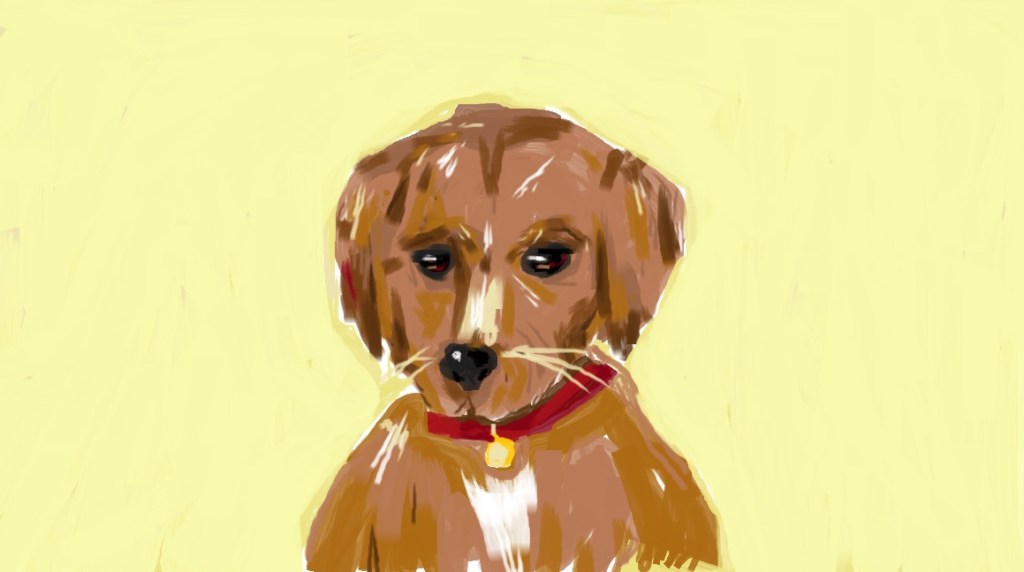
This evening I watched a happy little video about an old dog who was doing his after-bath zoomies. His back was stiff and his jumps were short, but there was so much joy in his little face. I couldn’t help but cry. I was immediately struck with grief, knowing that this beautiful animal didn’t have much longer to live, and I thought of my first good boy. Lewis was a wheaten-terrier mix with golden hair and coppery colored ears. He had the wisest brown eyes. He was my faithful friend for fifteen years.

(Not Lewis, but a painting inspired by what I was feeling tonight.)

My dream this week is like a wish. I hope that in heaven, all of the pets are there. In fact, I really hope that every animal, insect, and spider is there. I believe that in the end, the Lord will restore all things tainted or destroyed by evil. And I hope that that means every special animal, with their smiles, barks, jumps, flapping wings, and scurrying feet will be there. Any that were abused, alongside those treated well. Those beloved elephants, horses, and even alligators will be there. (I wanted to paint an alligator this evening. They’re terrifying, but so cute.) I don’t know if they will be. But they might be. They really, really might be. And that excites me. For now, let’s use the time we’ve been given to treat every living thing with love and dignity. Go snuggle with your pets, I am.

Thanks for stopping by,

–Mabel

Art & Writing · Writing

What I Thought Writing a Book Would be Like

Hello Strangers,

Welcome! How have you been? Personally, I’m glad to be back here; this blog feels like the inside of the cottage I have in my head. This post will discuss some of the preconceived notions I had about writing a novel, and what ended up being true instead. (There’s a note about my future plans for the ‘Art and Writing’ section of my blog at the end.)

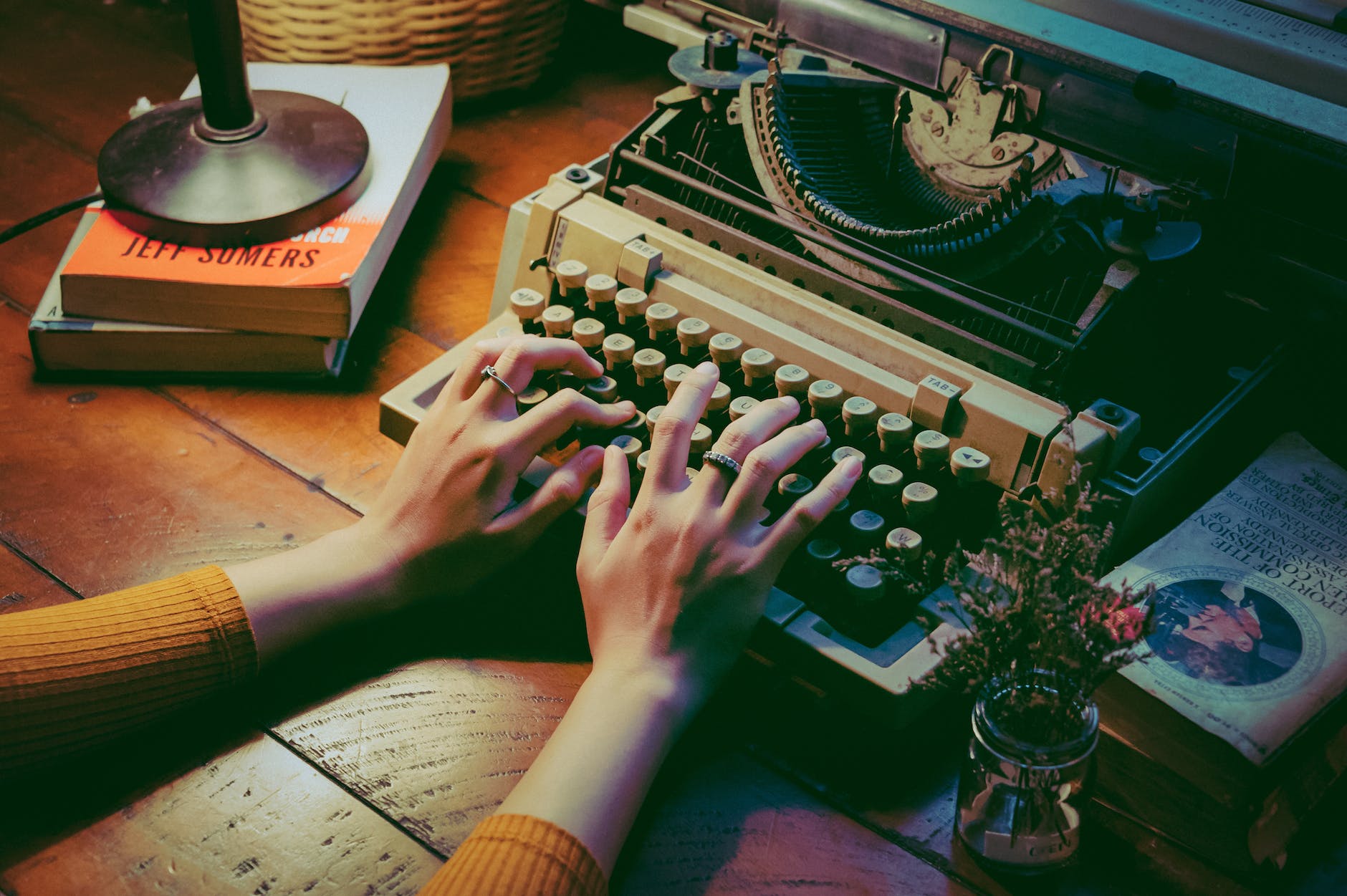
Photo by Min An on Pexels.com

Writing would be a linear process.

I thought that if I had 30,000 words written, that would mean I’d be about a third of the way through my narrative. In other words, writing a book would be like reading a book and all the pieces would fall neatly into place.

What actually happened:

With 30,000 words written, I have a rough beginning, middle, and end. As I continue, I’m building in more character development and foreshadowing, and after I work through those, I plan to add more depth to the plot and detail to the world building. After I finished that first draft, I wrote quite a few things out of order as I realized I needed them.

I’d only have one outline.

I assumed that I’d use one outline that detailed the entire story, and maybe I’d add to that if I needed to.

What actually happened:

I have a main outline which enabled me to write my first draft. However, when I read through the story I realized that it needed a lot of new scenes to build up my character interactions. These were hard to write though, so now when I come to particularly difficult scenes, I outline them and it helps me avoid getting writer’s block. 

I’d only need two or three drafts.

I read in a murder mystery recently about a minor character who’d been working on her novel for ten years. The main character thinks to herself that the manuscript is probably unreadable and should be scrapped as it can’t possibly be salvaged. For better or for worse, that stuck with me as I began my first novel. I’ve been scared of overcomplicating things and taking too long to write it, so I thought I’d give myself a limit of three drafts and two years to finish this story.

What actually happened:

My first draft included the skeleton of the plot, it has all of the characters and their relationships, as well as the setting. It’s the bare bones of everything. In my second draft, I’m focusing on the characters. In the third draft, I plan to add the findings from my research and strengthen the plot. Now I know that I’ll most likely need a fourth draft for restructuring and fixing continuity errors, and a fifth one for true editing and finishing touches. Those numbers are the minimum. This is my first big project and even if it fails, it will teach me so much about myself and my process, so I don’t need to limit myself with this. I need to breathe and figure out how I do things.

I thought that real writers always push past writer’s block.

What actually happened:

I’ve discovered that for me, it is beneficial when I get stuck to step back from my work. Sometimes I give myself a few minutes, a few hours, a few days to work on a problem. I might write a scene outline, I might talk through that scene with my sister. I might delete what I’ve written and start again. And sometimes, I truly disconnect and do laundry, cook, or handle business. In the end, I sit down and write the worst version. After it’s written, I feel better about it, and I can move on. That’s my editor’s problem in a few months. (I’m my editor.)

I expected people to care more…

Some writers find or build support systems, or writing groups, or other things of that nature. 

What actually happened:

I don’t know how to do that yet, I haven’t yet, and while my family and friends are very supportive and loving about my stories, most people don’t want to hear the broken-sentence-synopsis of a book that doesn’t exist yet. The author is the only person that has all the miniscule details in their mind, so asking others their opinion of them won’t usually help you. Even if you want to include others, they’ll likely be busy with their own lives and it’s easy to feel isolated. Spend time with those you love, do your work and practice your hobbies, but remember that it’s okay; you’re writing because you have a story to tell, or want to explore your personhood, or you just want to say you’re a writer. It’s alright that a good bit of it happens alone. Keep going.

Those are the notions that have been challenged so far, I hope they can be helpful to you in your writing! What I wanted to say about the future of this section is this: I love art, it was my favorite creative outlet before writing, and the two are probably equally important to me now. Within the next year, I plan to release far more posts about art (painting, drawing, sketching, the creative process, etc.) that I have been able to thus far. For now, there will be more posts about writing. I’m excited about what the future holds!

Until next time,

–Mabel

Small Dream Saturday

Small Dream Saturday: Entry 7

Hello Strangers. 

This week’s dream is to be able to pay for dinner. 

There is something so human about cooking a meal. The feeling of the knife we use to chop vegetables, the searing meat, the way spices stain our hands and the aromas that bloom in the hot kitchen. An hour into the process, another person appears and sits at the kitchen counter. Maybe they help, maybe you talk. And then together, we sit, both tired, and we eat. To cook as an act of love, meditation, and habit, and then to eat with someone you love is an experience that enriches the inner lives of human beings. And I’ll write more about that, but this week’s dream is to be able to pay for dinner instead. 

Last week we were sitting in church and the pastor preached on 1st Peter 3:8. Now, there was a specific message in both that verse and in the pastor’s heart that day, but for some reason, as he spoke it made me ask myself the question, 

“What do I want to give?”

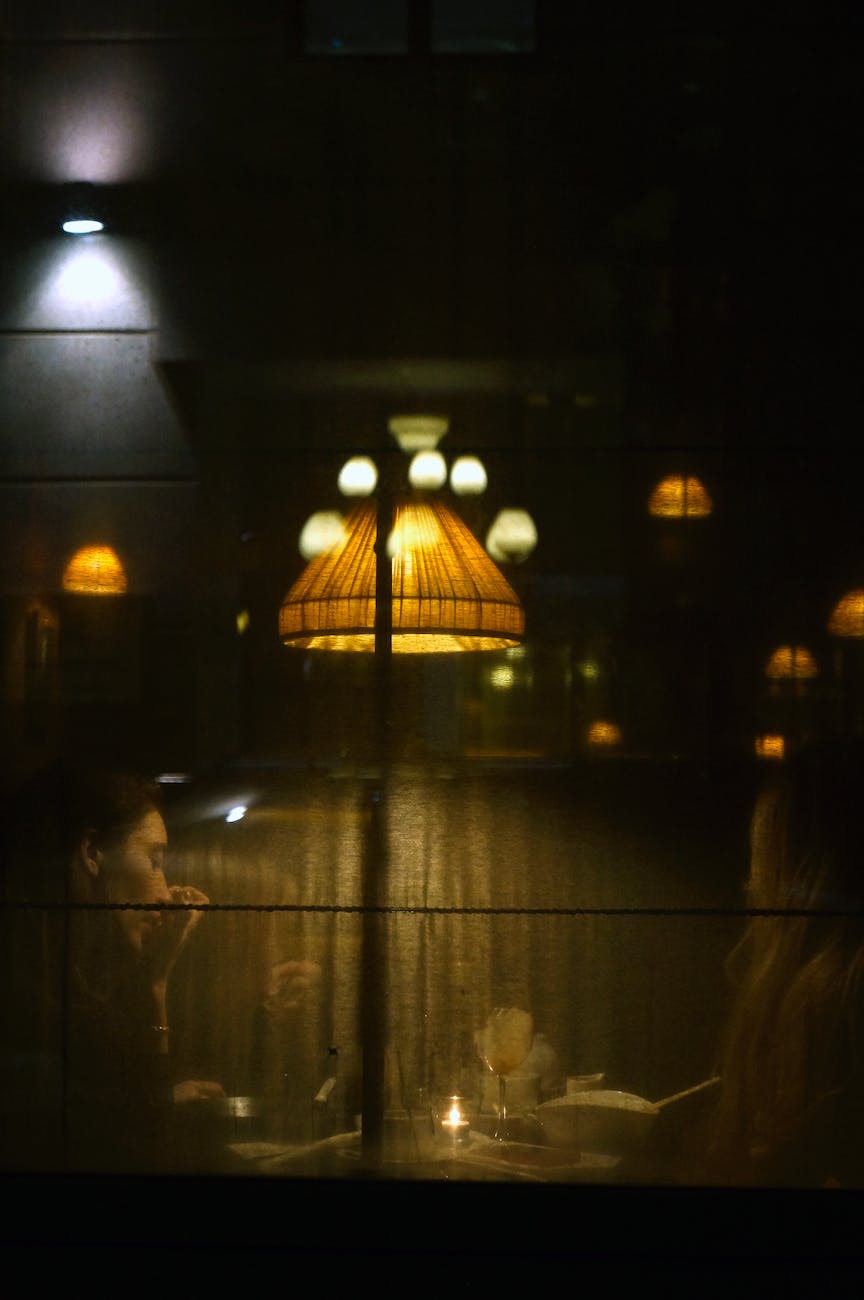
In my mind I saw someone crying, and another person putting their arm around them and leading them inside a shop. In case I haven’t mentioned it, I romanticize noodle shops like nothing else. So, on this dismal looking, imaginary day amidst rain and dark skies, there was a golden bright spot. As I watched the narrative continue, two bowls of soup were set in front of them, and the crying girl was still crying. Her body folded inward on itself, eyes wide and wet, her elbows pressed into her thighs under the table, her hair tangled by the rain. I realize now that she looked a lot like me. I was also the one who’d taken her to the shop, and from outside I could only see my back, but it was my trench coat. Both girls were me.

But I knew which one would pay for dinner.

Photo by Kris Mu00f8klebust on Pexels.com

I thought of what it’s like to be a child going out to lunch with their family. Growing up, my dad has always paid. There came a time when I realized that money was being spent and attempted to be conscientious of my part in that, but I never questioned who would pay. It was my dad. Because I knew who was taking responsibility for the bill, I could eat without worry, not having to think about how much it would cost me, if I could afford food for the whole group or just myself, or anything else. It was safe, I was safe, and I could relax. 

Every single person I have ever met has had a pain that they carried. Food is just one of the ways we ease that. Sometimes making the food is the order of the day, but sometimes it’s best to simply pay for dinner and let someone else feel safe. Lord willing, there will come a time when I get to do that, and the time will come that I’ll need someone to do that for me as well. After all, I was both of the girls in the shop. 

Here’s to the noodle shops,

–Mabel

cottagecore

The Green Dress

Hello Strangers.

Last week I went to my favorite thrift shop. My sister was visiting and when we went inside, all of the old things were new. New, old items everywhere we looked, and in a way, I was a bit shocked because that meant that they’d either been sold or removed and replaced with something the owners hoped would sell. Now, that’s obviously how businesses work, but whenever I’d come back before, so much had been the same. Now things looked markedly different. 

I found a green dinner plate engraved with an image of a cottage with a fire in the hearth and thought, this is exactly what I want my life to look like. I looked at the tag and it was only a dollar. It was in perfect condition and frankly, I thought that was a great deal. (Some people, for some reason, like to sell plates for eight dollars.) The plate symbolized something for me. Home, and family, but also the specific ways a person can build a life. It reminded me of food forests and fishing, and the hopes that one day I’ll have a husband and family and we’ll work towards that life together. 

Then we made our way to the other side of the store. 

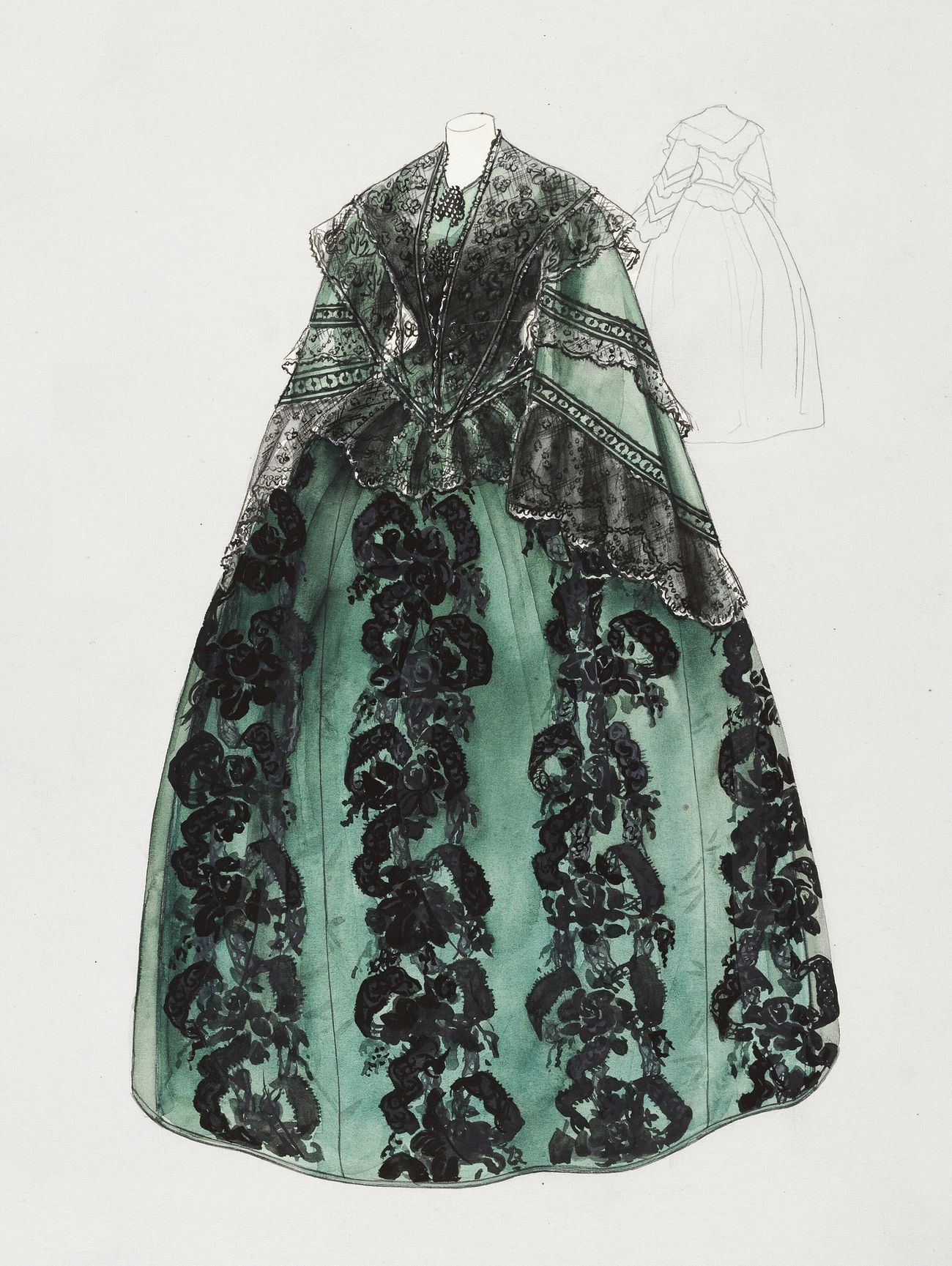
The other side of this thrift shop has a room that’s mostly 60’s through 80’s vintage. It’s not out of step with the rest of the store at all, but it is distinct. Among the rather disturbing collection of stained plaid couches and slightly greasy feeling clothes, there was a jade green, floor length, ballroom gown. It had massive puffy sleeves, a faux velvet corset attached to gaudy fake rhinestones, and it crinkled in my hands like plastic; I’m actually not sure what the material was. It was ridiculous. It was magnificent. It was twenty dollars. I showed the entire group what I’d found. I picked it up and put it down. I found a really pretty nineties mini dress in purple crushed velvet. Also twenty dollars, and clearly the more logical choice.

And then, I left with neither. 

If I don’t find the time to go back and get it, I believe I’ll regret that for a very long time, as silly as that might seem. Much like the plate represented the life I want to have one day, the dress represented a part of who I want to be as a person. It was unapologetically so ugly that it was beautiful. I wanted to take it out on my expeditions to the woods. I wanted to paint in it and bake bread in it as I have been doing more and more frequently. And yes, I wanted to dance in it. It would have been a statement to myself, that regardless of if anyone else liked it I would have fun. I would enjoy it and be joyful in my ridiculous green dress. But instead, I let it go. Because it was twenty dollars. Because I felt I didn’t have room for it. Because it was silly. 

The other day, I was watching House M.D., and a patient was put on death watch. She received the wrong treatment for an illness, and it was going to kill her within 24 hours. As she and her doctor discussed their lives and the things that connected and separated them, she talks about her regrets. She said she’d made bad decisions every day, but that she’d always thought she was young.

She didn’t say, “I thought I had time.” She said, “I thought I was young.” 

Opportunities come along every day. Whether it’s the choice to drink more water, spend more time in the sun, do the laundry, take the job, get sober, tell that person how we feel, volunteer, read the Bible, or find Jesus for the very first time, every day is made up of choices. We will all have regrets at the end of our lives. I hope I don’t regret not doing the things I should have done because I thought I ‘had time.’ Because I thought I was young. 

To green plates and green dresses, 

–Mabel 

Art & Writing

Small Dream Saturday: Entry 6

Hello Strangers.

Last week I went to bed dreaming of what it will be like if I ever do own a summer camp; specifically some of the projects I want the kids to do, and I again thought about all of the different ways to build forts. I thought of two ideas specifically:

Years ago, I found a project where you make an igloo out of plastic milk jugs. You glue them together side by side, flat bottoms facing out, lids facing in. I thought about how if I were a child, that would be wonderful to build, but the lids might break my immersion. So, then I thought, what if the lids were painted and stenciled with special designs? What if when you twisted off the caps, there were rolled scrolls on the inside of the bottles? 

And then I realized you could put anything on the scrolls; puzzles and ciphers, challenges to help the community or learn, information on old myths, legends, and landmarks… But that’s not all! You could decorate the outside of the structure as well, any way you wanted, but I thought it would be neat to cover the base with soil and grow some flowers, as well as paint the jugs with moss mixture. You could make a mud dome, decorate it with rocks, the possibilities are endless. What a cool clubhouse, right?

The second idea would use cardboard milk cartons as brick molds. I would love to make colorful, translucent bricks, however, I ran into a problem. The only relatively ecofriendly and inexpensive method I found for making translucent bricks was to freeze water (like in the case of a winter fort.) So, what I thought of as an alternative was to use rectangular water bottles that had been painted with a mixture of glue and paint, so they’d be colorful and look reminiscent of stained glass. We’d use those to build a low, three-sided wall, and then the kids would make a roof out of plastic tarp they colored and designed stretched over a frame. I’ll have to research the effects of colored, filtered light, as well as how plastic leaches into the ground…But I think it has potential to be a great summer camp project!

Those are this week’s small dream projects. I only hope that one day they’ll be possible. If not for me though, maybe you and your kids; anything is possible right?

Happy Saturday and Happy Dreaming,

–Mabel

Small Dream Saturday

Small Dream Saturday: Entry 5 

Hello, Strangers.

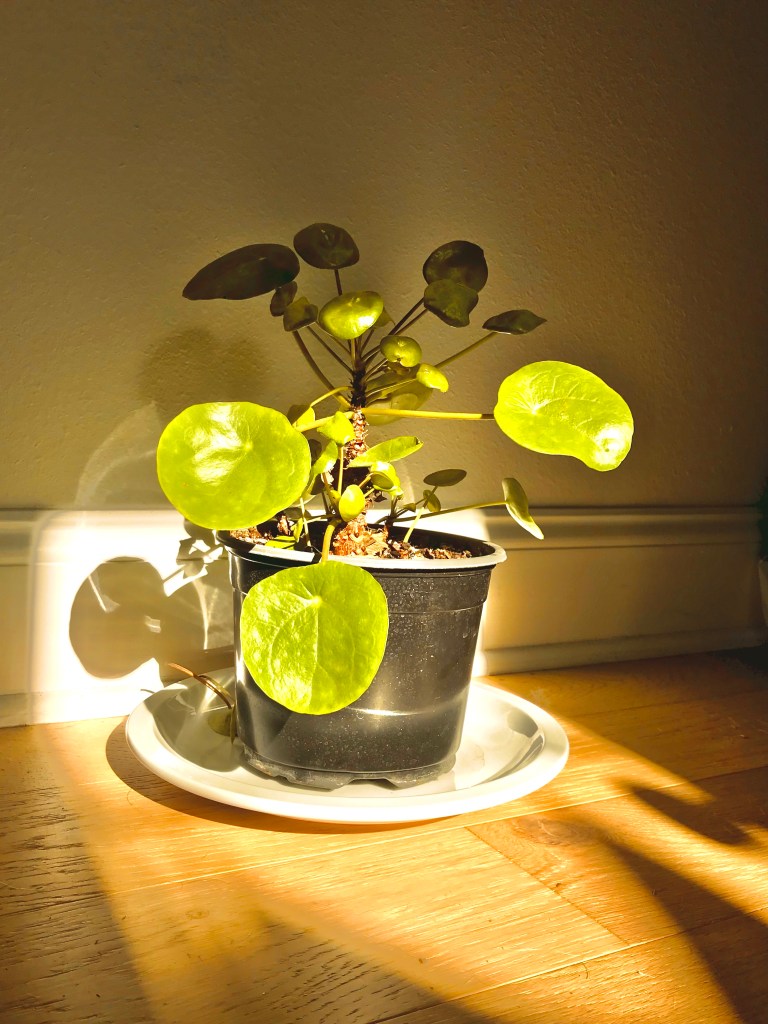
I have a houseplant named Georgiana that I only water from a teacup. She is the only houseplant I have not killed. There are other plants, which others have cared for, that are fine. The ones I have been responsible for, however, have died. 

The houseplant in question.

Despite this, I would one day like to have a very large garden. If I create one, it will hopefully have tomatoes, zucchini, cucumbers, potatoes… I might buy a few fruit trees, some kind of grain, some berries, et cetera. I’ll have terracotta pots filled with basil, parsley, and cilantro sitting on the windowsill. My favorite part, however, might be in the area I imagine beyond the garden:

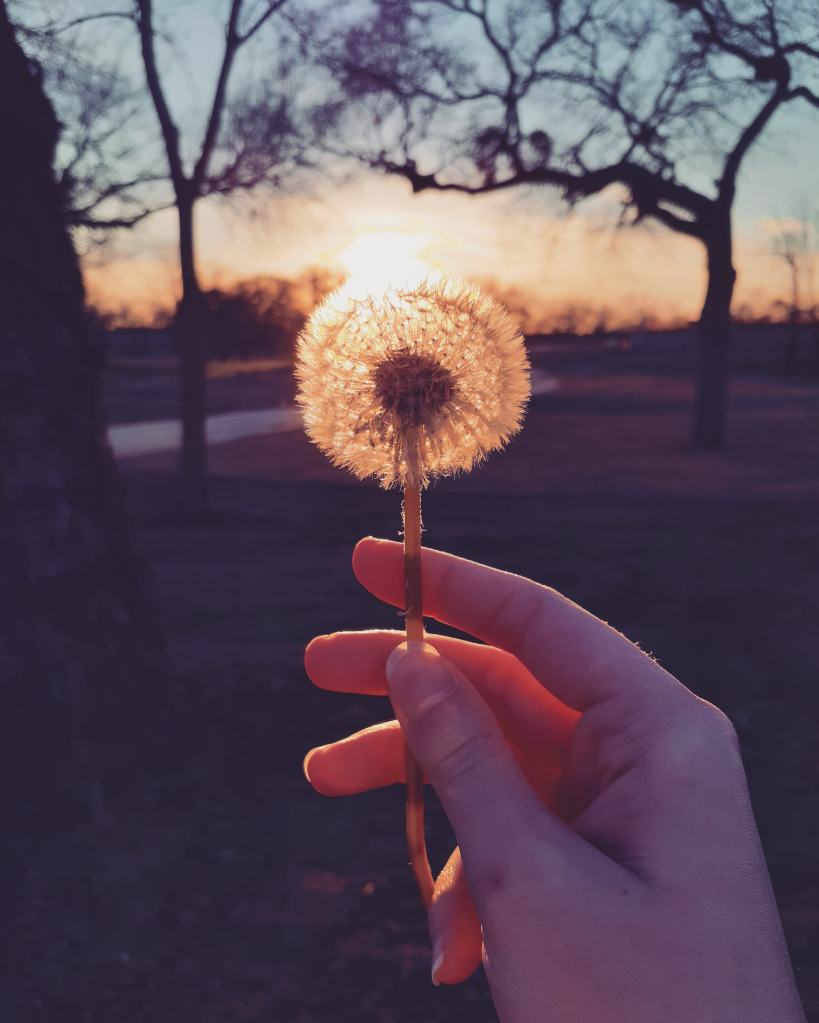
I will fill a basket with the white tops of dandelion flowers from the parks and forest around me, and when I get home, I’ll have a wishing party. Some friends and I will take turns blowing the needles (carefully, I suppose) into the very back of my back yard. When they flower, they’ll hold the soil in place, feed the bees, and I will have another plant to use in salads and teas. I’ll pick the yellow flower heads and use them to make dandelion honey. I’ll have enough flowers to make jars of the stuff. This is one of the dreams I do believe will come true. 

Speaking of which, since my last small dreams post, I’ve come up with a handful of funny moments for my stories that have made me view my characters in a different light. Are they actually funny? …Maybe? I don’t know, but they were fun to imagine. I call that progress! I look forward to writing again soon. All love,

–Mabel

Small Dream Saturday

Small Dream Saturday: Entry 3

Hello, Strangers.

For the first five years of my life, I lived in Washington State. The sun rose at three-thirty in the morning, and by noon the sky was covered in a thick blanket of gray clouds. It would drizzle throughout the day, and this happened most days. My preferences were set. The blue sky was off putting to me, and white puffy clouds were ugly. I hated nothing more than the sun. From then on, every place we lived disappointed me in its lack of gray days and rain. 

Many years later we found ourselves on the Southern border of the United States. The sun there was different than anywhere else I had ever been. It wasn’t yellow or golden, adding depth to the color of plants and trees around it, it was almost white. It bleached the desert ground and sky, turning them a pale tan and a faded blue. Frequently, there were no clouds to break up the monotony, so the blue sky sat motionless, the sun a pale king on its shifting throne. For months I felt physically sick looking at it, but with time, I learned to adapt. I would go out and squint at it, burn my arms, shoulders, and feet under its heat. I read books on the covered patio and sweat, and in the evenings I would sit on the low stone wall surrounding my house and talk to the memory of a loved one recently lost. It was the evenings that began to change my mind. Sitting out there, praying, or struggling with a memory, the sun would set behind me. The lights of the inner city began to glow in the distance, and the sky turned in a moment. 

All of a sudden, there were swirls of wisping cirrus clouds and massive cumulonimbus clouds that looked like cotton candy, and it was like the sun reflected off a diamond. For about seven minutes, the sky held greens, oranges, blues, purples, pinks, and reds. I would look up and smile until my face hurt at what I dubbed Tolkien Skies, because they looked like they held epic adventures. 

We eventually moved from this place too. The next place we went, the sun was back to its warm summer glow, and the green trees and earth returned, and I found I couldn’t live without sunlight as I had when I was very young. So, my dream this week is of a sun catcher. 

I would like to build a wooden fence and gate, and all throughout the gate I would like to drill holes. In the holes I will place colored marbles, and seal them in with clear glue. Every day that the sun is out, they will trap its light and glow, and when the sun is placed just so in the sky, it will shine through them in rainbow beams of color. It will be the perfect entrance to my home and garden, and I believe it will make me very happy.

As always thank you for reading, and remember to dream this week,

–Mabel

cottagecore

To Build a Home

Hello, Strangers.

There are so many different types of homes in the world. Some people have houses, some people have gardens, some people have igloos, yurts, huts, castles, palaces, apartment buildings… Home can be anywhere, it can represent any number of things. For some it’s family, for some it’s a place, for some an aspiration. And then there are people who don’t really know where they fit in.

Growing up, I lived in ten different houses, each different than the last. We lived in each corner of the United States, in different styles and sizes of housing, with different people and different dogs. Every place we went, my mother built something that looked like a magazine spread. She found furniture by the side of the road and painted it, found tables and shelves at thrift stores, she painted walls and lampshades and has created a collection of rugs, and everywhere we went, there our things were, rearranged, painted, or deconstructed, in a comfortable living space.

The other night I laid in bed staring at the wall in the dark. It had been a terrible day (week, actually), and I was trying to cheer myself up. I ended up building my dream home, but nothing was quite right. I decided to ask my friends what they thought were the essential components to making a house more homey. These are some of the things they said:

“Usually it’s something about the kitchen, like a natural light source.” –Lizzy Boyd

“Comfy furniture and good paint colors. And dogs…Ambient lighting that doesn’t come from the ceiling.” –Mckenzie Vanderbilt

“I think lots of light.” –Jessica Wayne

“For me, it’s more about people. Photos of family and friends and whatnot.” –Abby Barker

“Warm light. Well placed light just makes a house feel like a home. And also lots of blankets; they should have a place to go when you’re done with them, but you should have a bunch. And reading lights.” –Bree Kemplar

“Friends. Candles. Soft Blankets.” –Oóna Winters

“Have throw blankets!” –Nadia Martins

And my personal favorite from all those collected; when I asked him this question, he simply answered, ‘a table.’ I asked him to elaborate further, and he gave me this answer:

“It’s a center, so to speak. A place to eat, to sit with others, to talk, to make crafts, to play games, to invite friends to. On the ISS in space, where nothing can be set down because gravity will not hold it down, there is a table. Food cannot be placed on it, things cannot be set on it, you cannot even sit at it, but it is there. Because it was deemed necessary. Because the astronauts needed somewhere on their station to meet up for important things.” –Gavin Bolden 

I wasn’t expecting that. How could I? And yet, in two words, Gavin defined home better than any other person I’ve ever met. In all of my fantasies, I noticed the dim glow of light in the window, cast by the bulb above the stove, but how many times did I miss the table I’d set? That is always where I’ve taken guests. I put the steaming food in the corner nook and pulled out the chairs so we could sit there in silence. All this time I thought about the kettle, stove, glow, the windows, and doors.

But all of those are worth less without the table.

–Mabel