I waited all winter for firefly season. I usually write about pleasant things, but I won’t today. It was a cold and gray winter. The highways were littered with the bodies of dogs dumped in the streets by their owners. A puppy in the middle of a bridge. Animals shot, but not killed. Police and animal control called, but not answered. Everywhere I looked, there was a starving dog or a cold house filled with suffering people, a junkyard or a sick horse. You volunteer. You step in, or step up, but you can’t save them all. In fact, you can’t save many at all.
I waited all winter for firefly season. They’re still here. But I’ve missed it.
My small dream this Saturday is that next year I would get up and bring a mason jar outside. I’ll catch ten or fifteen lightning bugs. I’ll take a picture. I’ll watch them blink. And then I’ll let them go. A bit of the old magic from childhood. It’s one of the smallest dreams I have on here.
I just said a lot of hopeless things. But I’ve been thinking about this lately: In the story of Jacob and Rachel, Rachel has two children. The first was Joseph. The second child, she named as she lay dying. She called him Ben-Oni, which means ‘Son of my Sorrow.’ Jacob looked at the child and called him Benjamin, ‘Son of my Right Hand.’ I have also heard it said, ‘Son of my Strength.’ What Rachel believed was grief, Jacob named strength. When she died, the child would have to bear his own name. Jacob chose to name him something he would be able to carry.
What we name things, situations, people, matters. What we name ourselves when the hard times come is similarly important. And so often, the things we count as sorrows are the vessels for strength. So if you’re a helper, and I’ve made you feel like it isn’t worthwhile to keep helping, that’s not the right way to view it. This winter I was in pain and that wasn’t wrong of me. But what I called grief, I misnamed. Opportunity. Every ounce of suffering, an opportunity.
“And I have been a constant example of how you can help those in need by working hard. You should remember the words of the Lord Jesus: ‘It is more blessed to give than to receive.’” Acts 20:35
In the short time I have left, I’ll take pictures of any lighting bugs I catch.
Blessings to you, and don’t waste your firefly season.
–Mabel
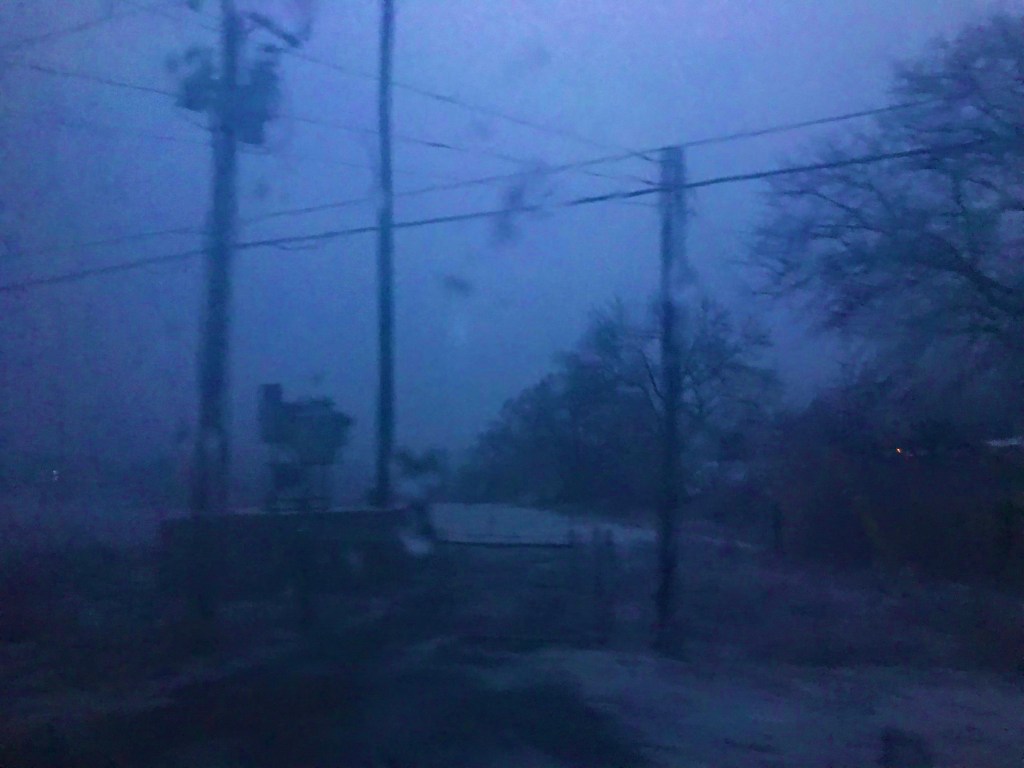
P.S. If you look closely at the picture above, you’ll see a tiny orange speck in the background to the right. That my friends, is a window in the dark.
In the spirit of a gray day, I need you to know that my eyes are falling shut, and I feel like my mind is swimming. Everything has that sleepy distortion over it like a filter. This might not make sense, but I’ve had to take my glasses off so that I can see.
And honestly, that’s just what today’s post is about.
Earlier in the week, I was walking shelter dogs during a thunderstorm. Throughout the season, lighting has struck down multiple trees in the little wooden area where we take the dogs on our way back to their pens, and fallen trees block some of the paths. It was dangerous to use that route on this morning, but none of us really heeded the warnings. And every time I’m out there, on the plank bridges above the ebbing stream, next to the rotting logs covered in moss, turtle shells and rabbit dens, and birds—more brightly colored than they seem they should be—I always want to take pictures. And I never have the time.
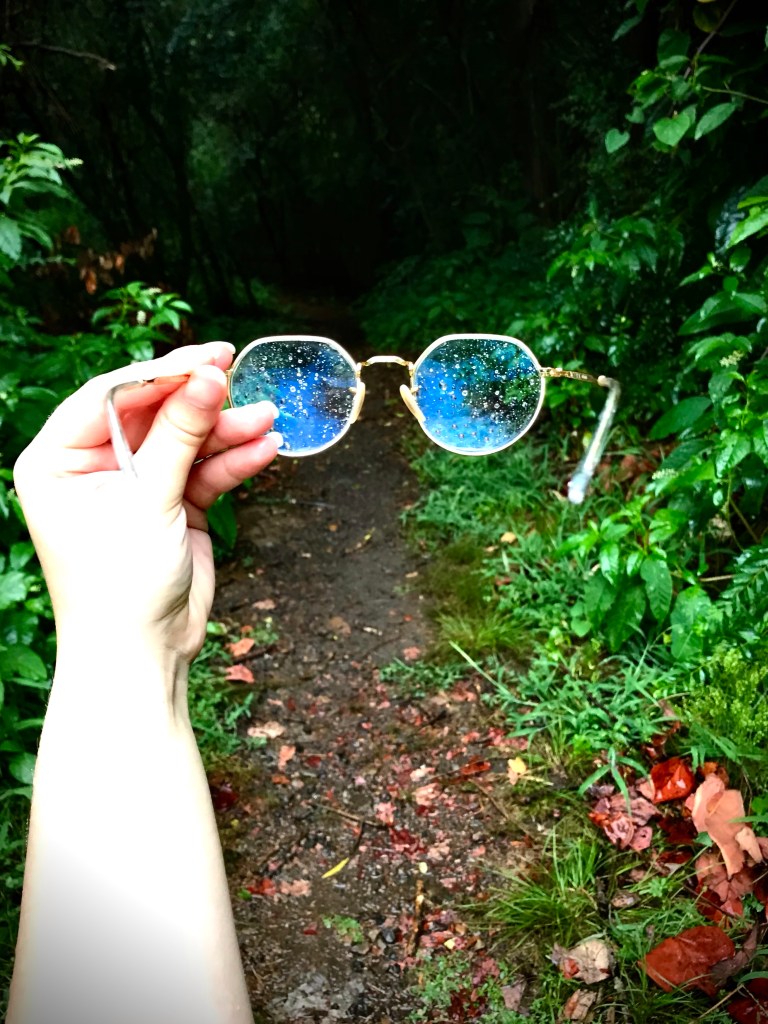
But finally, on this morning, I finished with the dogs and there was just enough time to take a couple of shots before I had to leave. That was when I noticed the blue light refractions on my glasses. Usually not a fan of that color palette, that day I saw a universe in the lenses. Speckles, in the path beyond.
You’ll all get tired of me saying this, I say it often now; the world is a dark place. But I think part of our responsibility as those who live here is to try, as often as possible, to see things in a different light.
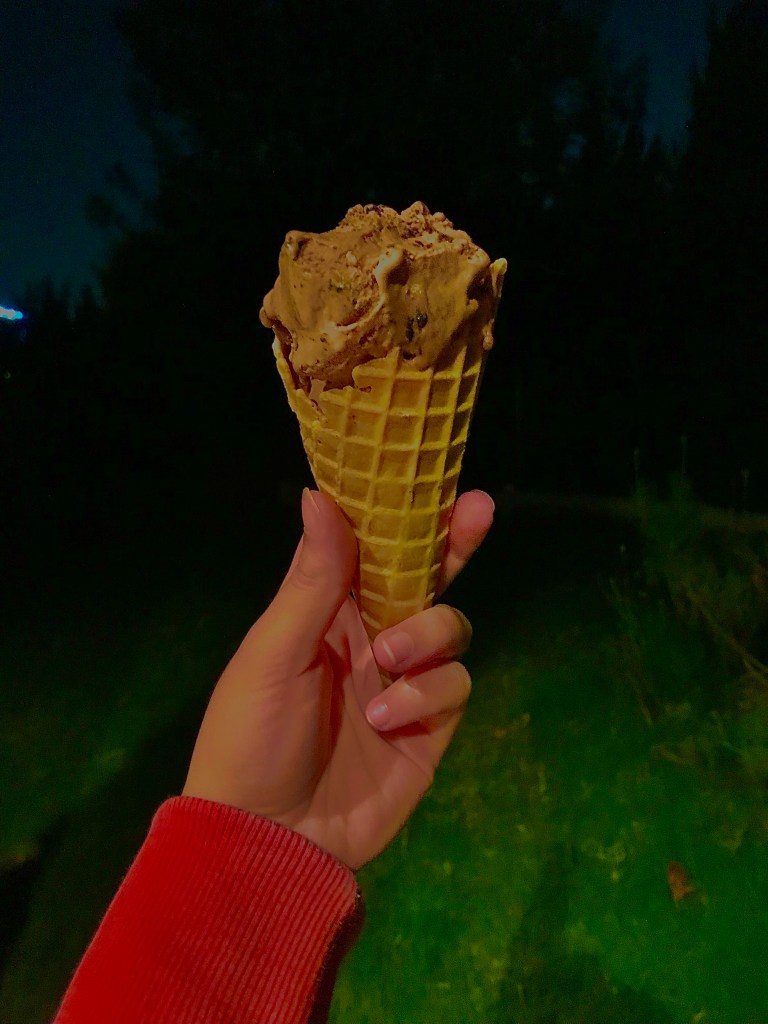
Along the coast of Maine, sharp breezes and dark skies close in as summer warns of its own demise. When the tourists leave for the season, the population of a small, isolated town shrinks to three thousand, and the locals are left alone with the cold and dark. The sea taunts a young woman suffering personal tragedy yet again, in Megan Miranda’s ‘The Last House Guest.’ And I think to myself, man. This girl could use an ice cream.
A while ago, I worked at a sandwich shop and it was the happiest time of my life. And I was determined to be happy. It was during Covid and our supply chain regularly fell behind on orders. Bags were missing, straws, cups, lids, salad containers, et cetera, and we made do. It wasn’t a particularly big issue. But every time my manager would walk up with a box of bags to open, I felt my face light up like some cross between a Christmas tree and a clown. His face would twist up in response and he’d ask,
“What are you so happy about?”
I was happy about the bags. Obviously. What else was I supposed to draw frogs on.
I once went to the grocery store coffee shop on our strip and picked up a fork. My glee was boundless. I think I giggled. The barista, Collin, looked at me with bewilderment and asked,
“You okay over there? You just looked at the fork like it was God.”
Well no, Collin, not God, let’s not get carried away. And, yes, Collin, I’m over the moon. Last time I came here to eat an entire-one-dollar-pie-that-I-didn’t-buy-from-you, you were out of forks and I had to buy a full container from someone else and come back. Which I can’t believe is allowed.
And that’s very close to what I said, with a Joker grin plastered across my face. And the truly spectacular part of this was that it happened every day. And I was genuinely joyful, every day.
As I’ve mentioned, I’m in a bit of a rough patch right now, but! Yesterday, an opportunity came my way. I was gifted a banana split and let me tell you,
Bright Spot.
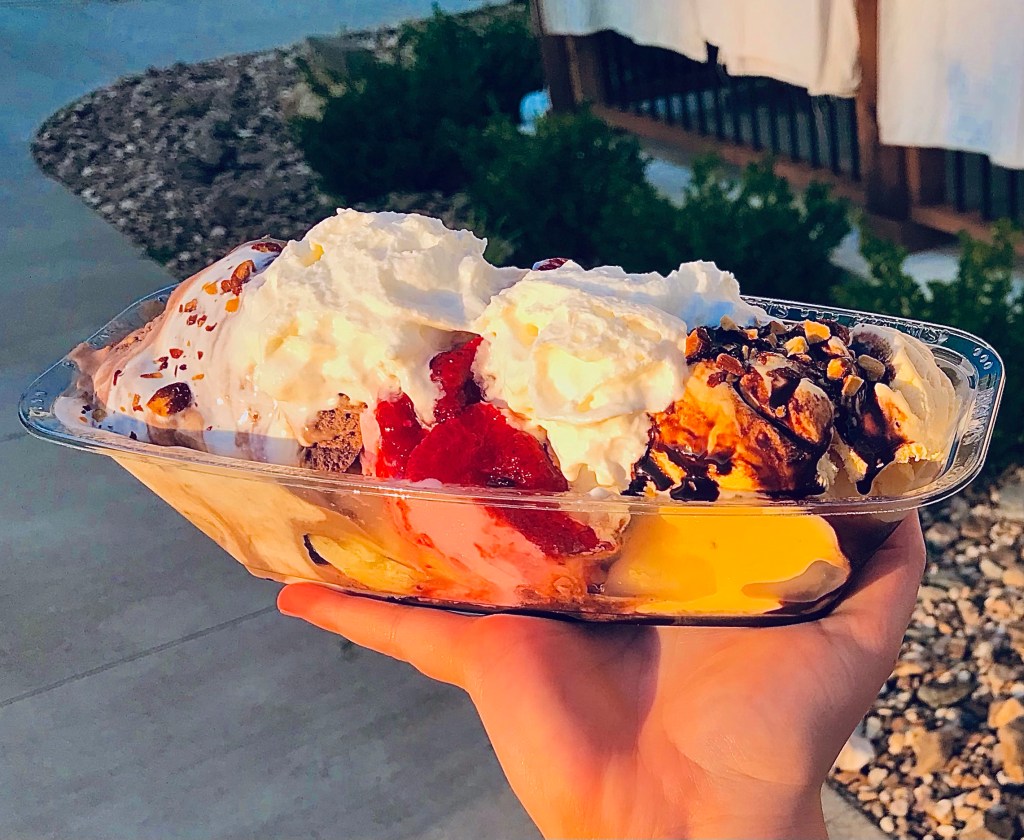
One chocolate scoop covered in marshmallow sauce, one strawberry scoop covered in sugared strawberries, one vanilla scoop covered in fudge sauce and nuts. A banana underneath, and all topped with whipped cream.
In my mind I could hear ‘Top of the World’ by the Carpenters playing. And because it’s in the movie, ‘Dark Shadows,’ that’s what I thought of. The happy song laid on top of a deep blue world, just a little twisted. And I thought,
That movie would be so much better with a scene of someone really enjoying a banana split. Bright spots.
See, the movie was funny. It was a dark comedy, and I understand why there were no yellow-lit summer scenes including a frozen treat. But in that moment, I understood there could have been one. And there is a good rule of thumb for story writing here:
Nothing lasts forever.
In our writing, we should break up monotony from time to time. If the story is one filled with gloom and danger, you must have authentic moments of joy and comfort. If your story is one of light and glee, it should be punctuated by a sadder perspective. The holes we punch in the paper are what make the world, like tears in the sky, making our constellations. It’s all the small things. Whether good or bad, the small things will build your story, and those moments need to be there, lest they be forgotten.
When I was a child, I watched Scooby Doo obsessively. Didn’t matter the series or story, show or movie, it was guaranteed the tv was mine from 7:00 to 7:30 every single night. It was family ordained. I’d stand there eating a hotdog at the border between the kitchen and living room.
Scooby Doo was the seed that grew the desires to have a van and go on road-trips. It led me to consider becoming a private detective, and inspired my addiction to mysteries and fantasy alike. It was the first thing that made me feel clever and sparked an interest in cryptozoology.
I have three small dreams for this morning. They get smaller as they go along.
1. I would like to write a Scooby Doo television series. Scooby Doo is a franchise that acts like a comic book world. There are alternate universes with different sets of lore, different kinds of stories, different art styles, tones, and even character development. I think it’s likely that in twenty years, we’ll still be making Scooby Doo shows. And I’d like to write one.
2. A smaller dream, but still large, is that I would like to have insulated sheds on my very wild, natural property. These sheds would hold animation/digital art tech, so that I could make short videos, but also much longer and more detailed comic books and graphic novels that I would then self-publish. (Or maybe publish traditionally! Who knows?) They would be cool and dark, and they’d be an escape from their more primitive surroundings.
3. This is the littlest dream, and it’s the one that will prepare me for dreams 1 and 2. I’m going to write as much fan fiction as possible. I should have started when I was twelve like all the other writers, but I just wasn’t ready. So now, I’m going to be indulgent. I’m going to learn by doing, and even if it’s all hot garbage, I am going to have fun and grow as a person as I write incomprehensible cross overs, multiple-plot line series’s, and just fun, ridiculous one off stories. It’s going to be magnificent, and I know that because I’ve already started. My motto is quantity over quality. For that is the way to improve.
That’s all for now! Happy Saturday, my dears, and happy writing! All love,
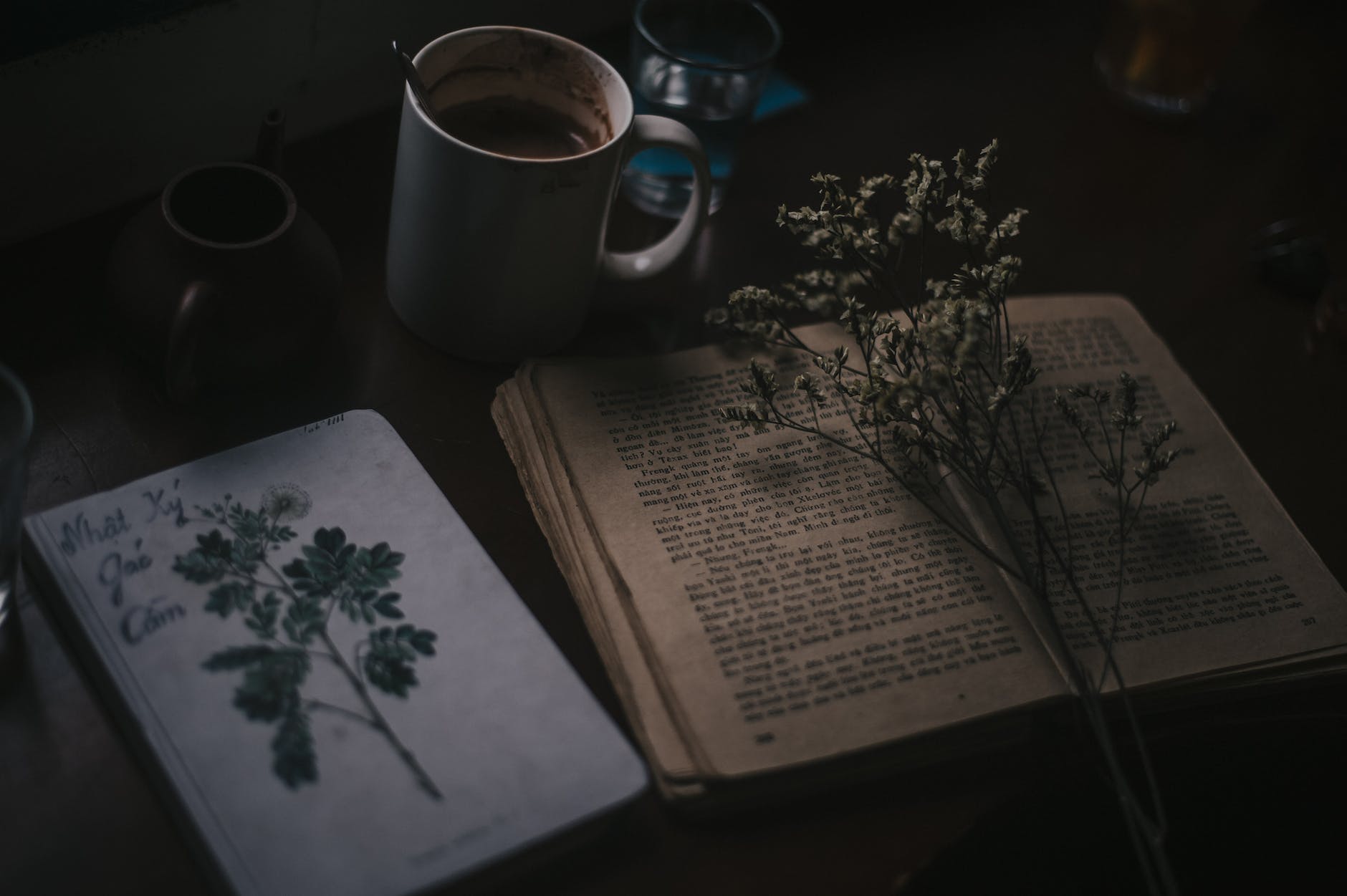
For the sake of the story, regardless of where you are, let’s pretend that it’s dark outside. You’re sitting across from me at a round wooden table in a country kitchen with a low watt bulb. It’s a bit depressing, but very human, and despite the heavy feeling, you also feel at ease. We have mugs of tea in front of us whether you enjoy tea or not, because that’s what I served. It has honey in it, and a spoon. And last of all, I am a woman of incalculable age, I could be young or older, and my hands… My skin is stretched over muscle and bone in such a way that somehow implies I am tired. So tired. When you look at my face, that skin is stretched too. And all of a sudden, I am not just tired.
Do you see what I want you to see?
For a time, as a teenager, I lived in a desert. I hated it desperately for years because during the day, the sun washed out all the color from the earth. Even green things looked grey. The sky looked almost white, and the color of the sunlight was closer to white than to a bold, happy yellow. I would stay inside for weeks on end.
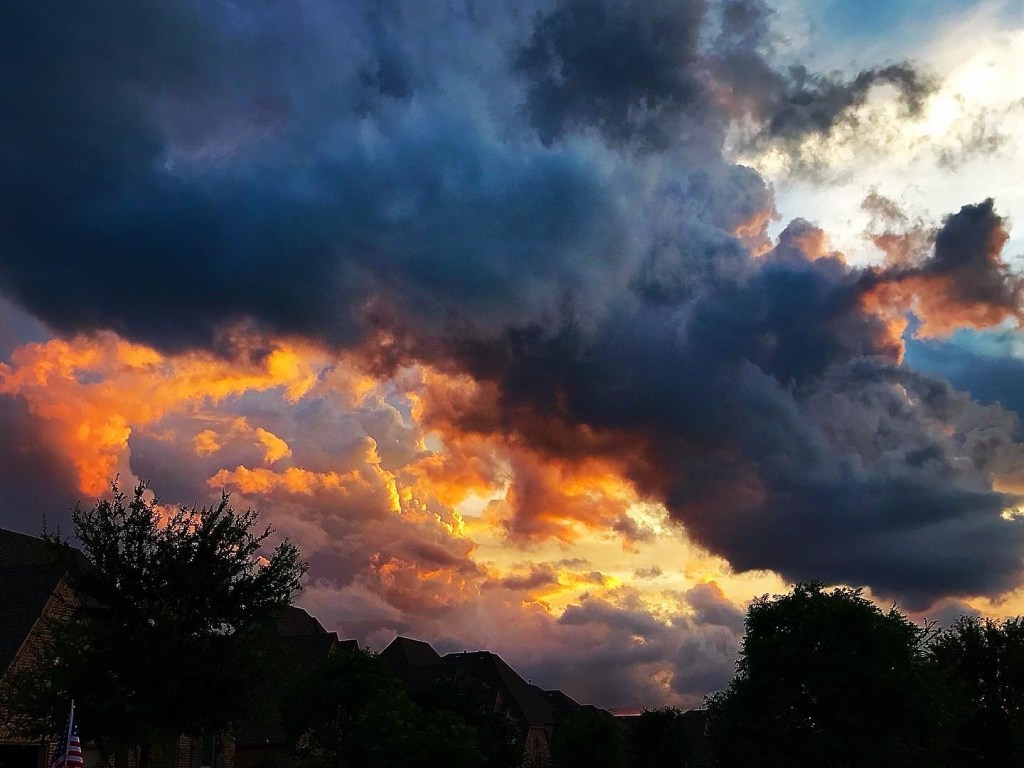
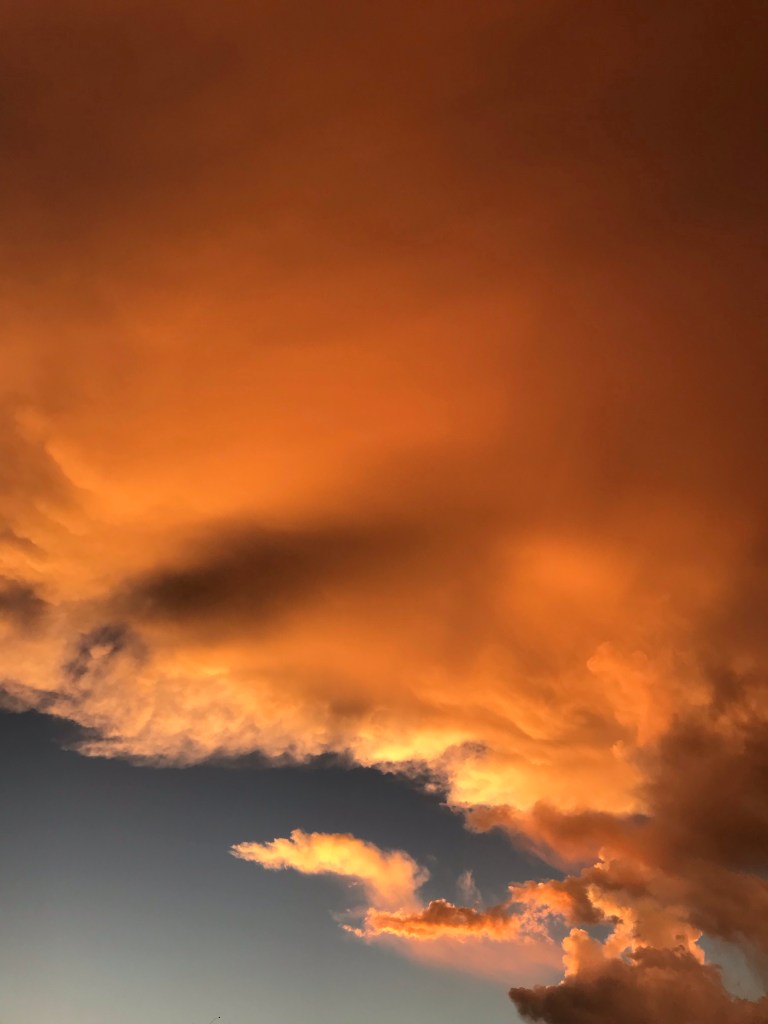
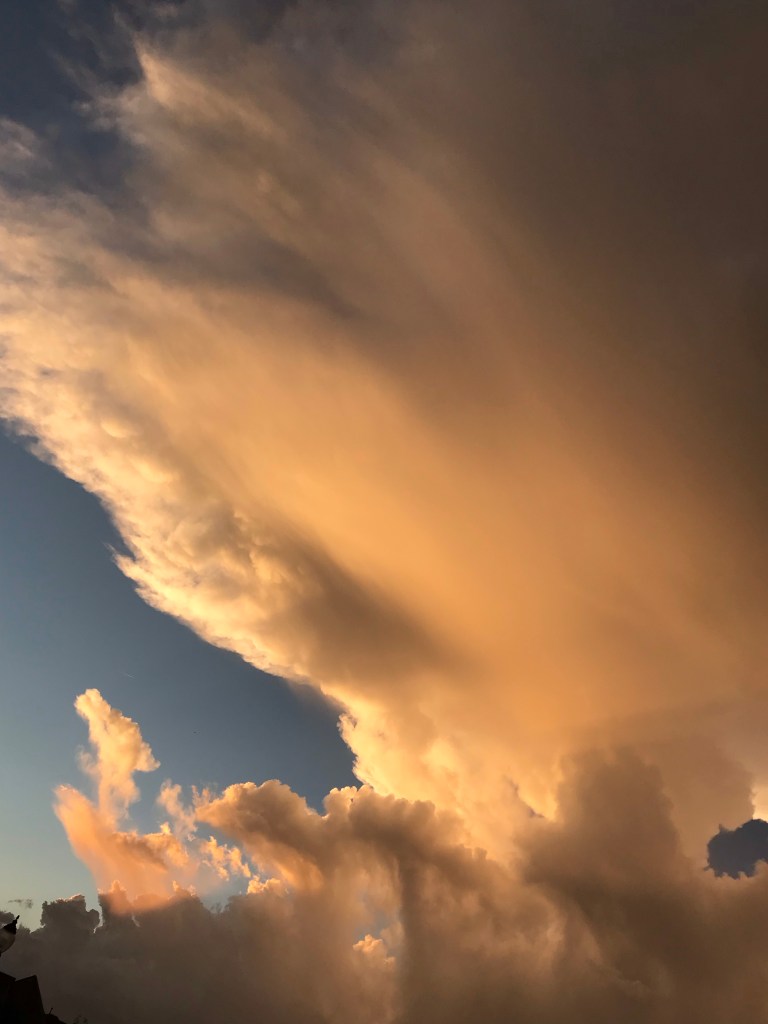
After my uncle died, I would sit out on the wall and talk to him. I think it was during that time that I saw the evening sky in the desert. And that’s when everything changed. For a few minutes a day, I was at the circus. I was in a fantasy world. The clouds looked like cotton candy, or storms made of fire, or some other, incredible event.
Examples of Tolkien Skies
I named them Tolkien Skies, after J.R.R. Tolkien. From that moment on, I realized how much fiction had informed my views of reality. Tolkien’s skies and mountains were in the desert, but my old house in North Carolina was the setting of Ink Heart by Cornelia Funke. I look at trees and to this day I still see Dr. Seuss. Fireflies lead to magic portals, and in the field past my backyard, a barefoot woman I wrote met God.
The place I am now, it’s been a nightmare for me. I’ve stopped looking for good and I feel consistently heavy. The things I love hold less appeal. There is no physical escape from the sadness. Everywhere I look there is suffering and hatred. But that’s not the whole story.
You see, since being here, I’ve built more stories than I have I think anywhere else. I haven’t written to you yet about the neighbors whose window inspired my blog’s tag, ‘a window in the dark, a cup of tea waiting in the kitchen’ and their blue, orange, green, and gold porch lights. I haven’t told you about the lore I built around the moon. The movie Hugo was such a blessing to me, with its beautiful color palette and the Station Master in the film. I’ve gotten two dogs from this place and written more than 60,000 words in one year (a record, I think!) I learned how to bake bread, and I never would have started this blog if it weren’t for this difficult, difficult place. I began volunteering, and a very big opportunity has come my way. I’ve sat at city council meetings. And I’ll move again soon.
I can’t deny it. I’ve gotten sick again. I’m not functioning properly on any level. But as much as I want to deny it, this place has been a blessing from God. Many blessings. A new chapter is coming. And in the meantime, there has been just enough of different worlds to keep me sane while I stay in this one. I have more posts coming soon, mainly about writing and hopefully some about art (I have access to my photographs again! I will explain more in my next post!)
When things get dark, we need to search for God in the darkness. Where is He? Thankfully, I think He sometimes shows us redemption in the stories we tell ourselves. So much of my world is painted.
Thank you for sitting with me and letting me monologue. There’s a change of clothes in the guest bedroom towards the back of the house and clean sheets. I’ll leave the light on for you, but I’m going to bed. I am very, very tired.
This post is not about breadmaking, but about something I haven’t been able to stop thinking about since I started baking bread: the resting period.
If you’ve ever read the Grimm Fairytales, you may have also been told of how two brothers traveled the countryside in a marvelous adventure, collecting their stories in taverns, from gnarled old women in remote villages, and on street corners where charlatans spoke in hushed tones that feigned secrecy, but would instead draw their crowd. It may surprise you to learn that actually, a large number of their stories were collected just across the street from their house; from their little sister’s friends. Their second, absolutely integral source, was an upper class woman and her family who had been collecting them fastidiously throughout their lives.
In her book, ‘Clever Maids’ (which I highly recommend) Valerie Paradiz goes through the lives of the Grimms, and also through the lives of these women and their work.
During this time, men and boys down through the middle class had more access to education than at any time in their recent history and women continued to work in the home, often without access to books and certainly not to scholarly papers and journals. But while men were gaining education and scholarship, women were continuing the oral tradition, often making alterations to old stories and creating their own. While the reasons we remember the brothers and not their sister and friends would be a fascinating, if disheartening discussion, this post focuses on the women themselves and the way that they lived to cultivate this culture of storytelling.
It has been posited by historians that one of the reasons there are so many spinners and weavers in folklore is because it was the women weavers who told the stories, hence the terms “spinning a yarn,” and “weaving a tale.” According to Paradiz, women often told stories as they did repetitive work such as weaving, embroidering, laundry, or cooking, much like we listen to podcasts or watch dramas while we work today.
When making bread, the same ingredients combine, they are worked and kneaded, and then they are left covered in a dark spot to rest. And as the dough rests, it rises. I think these women had their chores and schedules like ingredients and a sure routine, pounding them out like bread on a counter. Though at times it may have been boring or lonely, and limited, the quiet lulls cultivated the stories. The quiet created the rest period. Their boredom forced them to imagine, and their motherhood forced them to teach. Their girlhood forced them to invent things that men made no time for. And because of them, we have thousands of stories that may otherwise have been lost. Entire cultures fossilized in living voices until they would be written down.
I think this is where things get confusing today. In 2023, makers, creators, and artists are encouraged to work in a way that generates the most content in the least amount of time. No longer artisans and craftsmen, they are considered ‘content creators’ and manufacturers. This model is based on the notion that all art, whether it be singing, drawing, dancing, or storytelling, is only justified if it is made to generate a profit (and if you are going to make a profit creating today, it’s very hard to do without following this formula). What this has led to within art communities is overbranding, repetitive and inauthentic content, and lack of satisfaction and burnout as artists.
There was so much about the past that I wouldn’t want to return to…But the idea of skilled and strenuous—yet simple—labor, and a model of creation and play simply for the sake of itself is something I think many of us could benefit from.
I can’t say one way or another, and I’m sure there are male creators that would benefit from this type of creation as well, but it makes me wonder if women create differently, and have different motives for doing so. Would this be more beneficial for one sex than the other? All I know is that without work to distract from my creativity, I stagnate as an artist and a person. And without imagination, I am unable to work. As a creator, I think it’s time to take back our craft and decide for ourselves what it will mean to be artists.
Today was a rough day, more physically than emotionally. After saying goodbye to my foster puppy around three this morning (he’s fine, he’s on an animal transport, I literally had to say goodbye) I got up at seven-thirty to get ready to help with a pet microchipping event that lasted until about two. I got a pulsing headache that made my face droop on one side and made me nauseous. To top it off, I feel I was helpful but I was a bit overdressed, it was cold, and in the lulls when many other volunteers were also sitting, I nodded off for a bit. I didn’t do anything terribly wrong, but the optics probably weren’t great…That’s life, I guess. I’ll have to do better next time.
When I got home I took medication and had a nap, and when I woke it was early evening. Sun beams like those that filter through the trees across the stream every morning now entered my window through the curtains at the front of the house, and for a moment, I raised my hand up and touched sunlight. Light bounced off my fingertips and glowed through my skin and I stood there basking in what to me seems like an impossibility. Who are we that we should touch sunlight, or moonbeams, as I had the chance to do a few weeks ago in the still air of my kitchen?
I was thinking of my dream for this Saturday and was reminded of an idea for a house at the edge of the world. In my mind, this house is deep in the wilderness and simultaneously right on cusp of town. The world is ending and dark, but the old woman who lives inside is still full of life and opening up her home to any who come near.
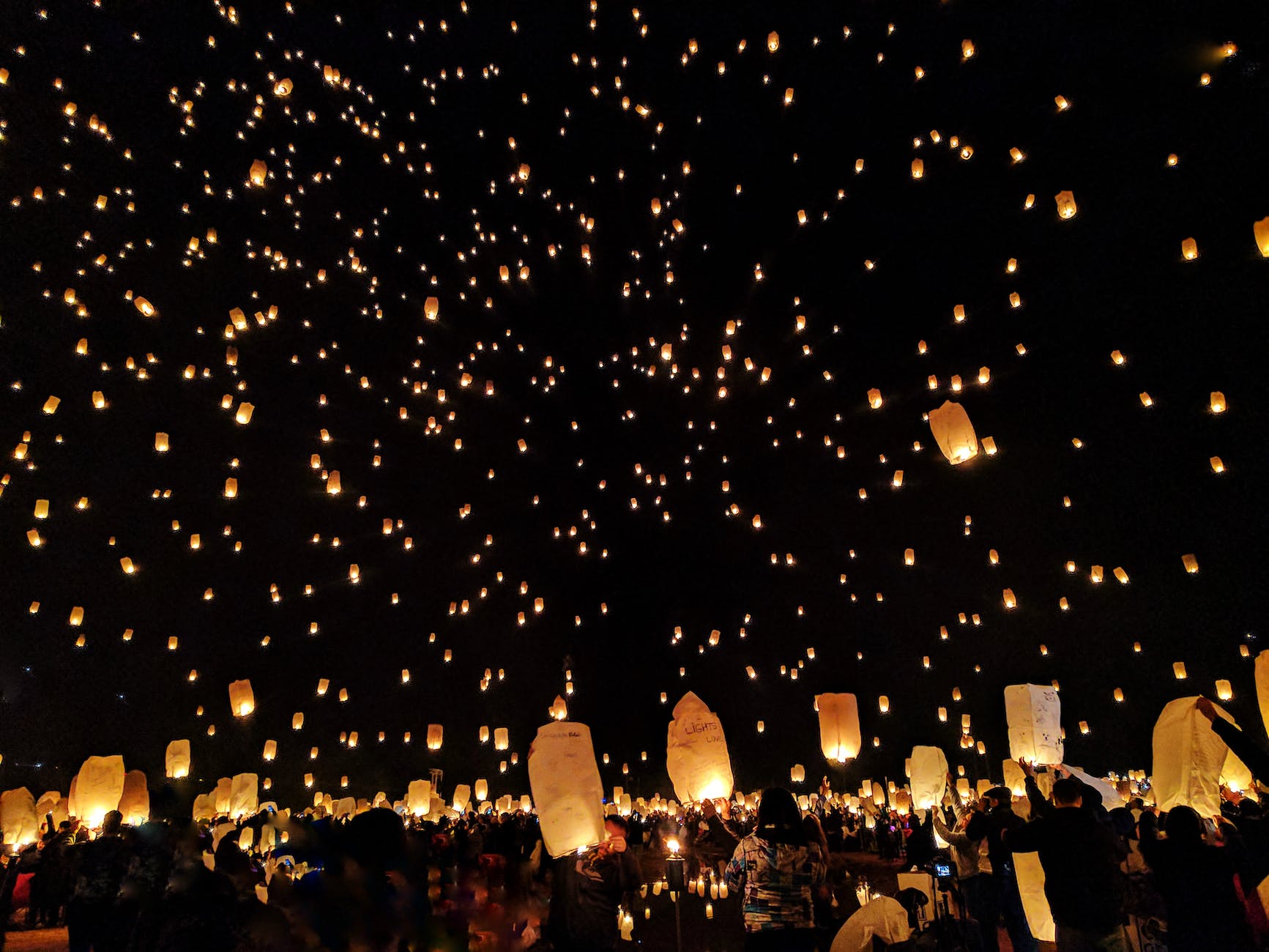
That isn’t the case for me just yet, but I would like to have a budget for outdoor lights when I’m grown. Small lights that won’t cause much light pollution, and a house tucked so far away it won’t affect anyone else’s view of the stars. I’d like sconces for the porch, and a low hanging layer of twinkle lights, ground lights in the garden…Those kinds of things. I’d like to make all kinds of strange things that brighten my own home and world.
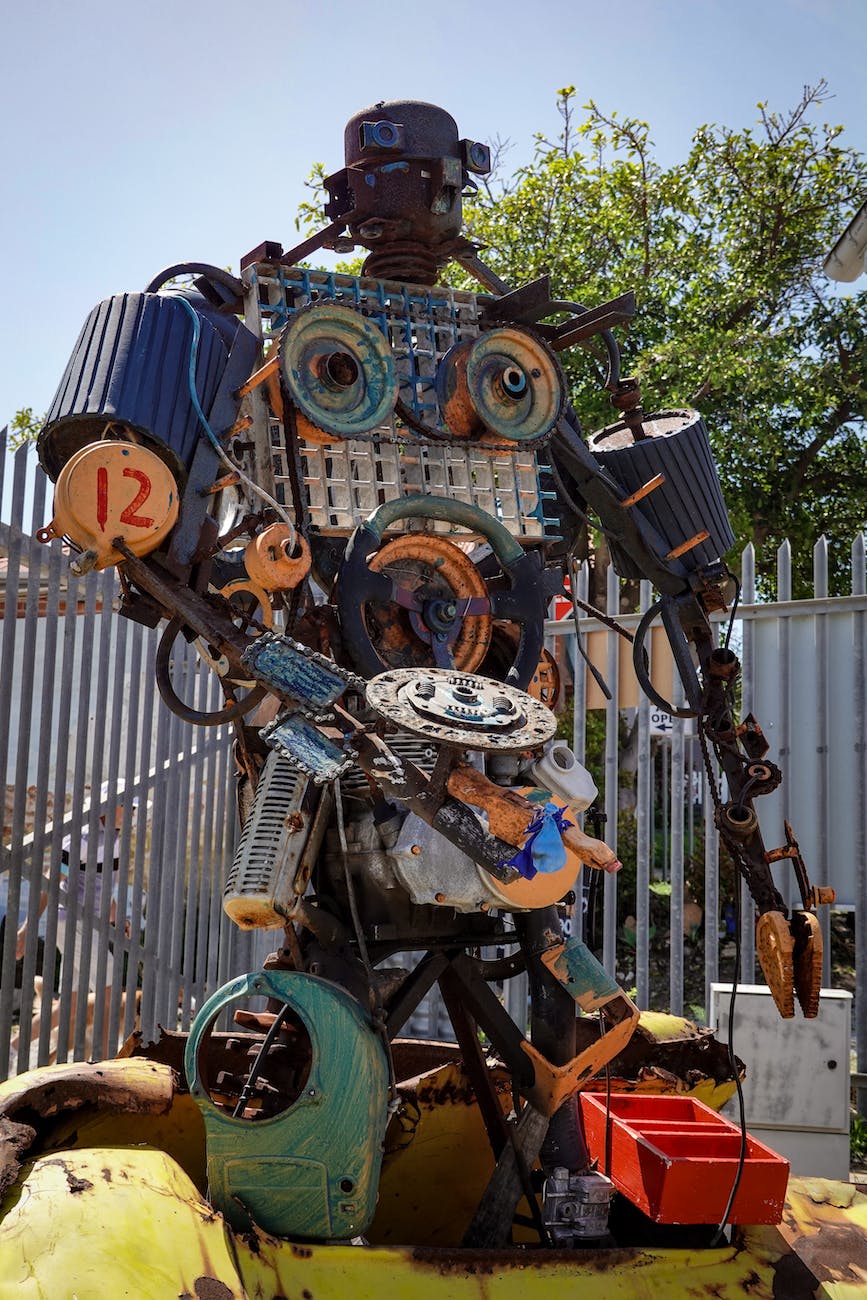
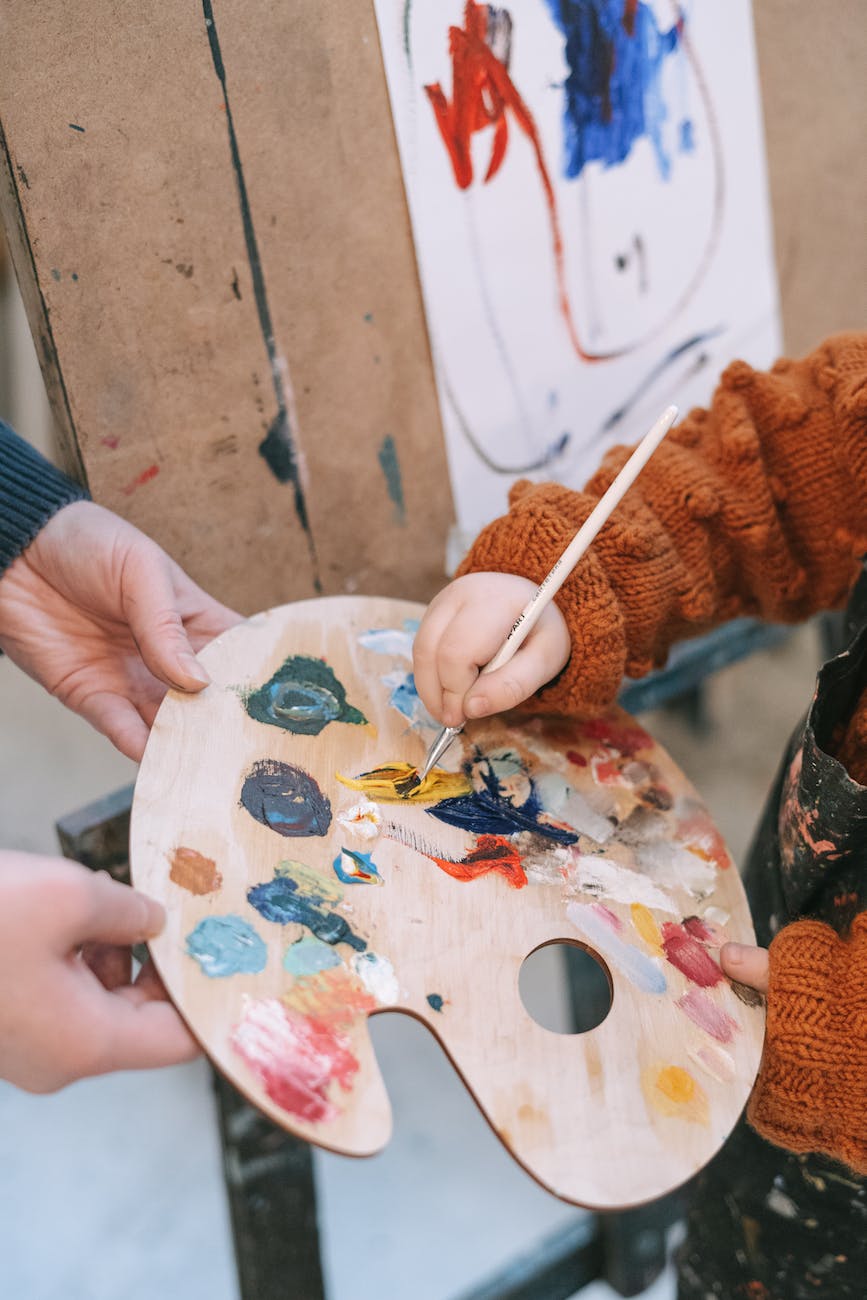
In honor or earth day, my dream this week is to one day teach a community art class using unwanted things. As you may have noticed, many of my dreams involve the use of junk. When I was a teenager, I used to cut cardboard from cereal boxes to make book covers and canvases. Cardboard has a tendency to “drink” paint; it sucks the pigment and the liquid into its surface, but! It was far better to paint on than printer paper, or even low weight art paper. If it hadn’t been for those makeshift canvases, I never would have picked up acrylic painting, and if I’d never done that, I would never have found gouache.
In the future, I have all kinds of projects planned that I genuinely believe will be beautiful. New paper made from old phone books, handmade journals, faux stained glass, mixed media master’s studies, pendants with paintings inside pressed flower water bottles and lanterns…There’s a million things that have been made by more creative people than me, and they’re easy to find. Just type ‘plastic art’ into Pinterest, and you’ll find incredible things.
But the other thing I’d like to say about these second hand DIYs is that the power of children’s imagination cannot be understated. Little girls of seven years old have more complex weaving skills than many adults because they’ve been braiding hair and making friendship bracelets since they were in preschool. There are still some little boys who paint model cars with their fathers, and a significant amount of children I’ve found are fascinated by intricate geometric patterns.
My hope is that by the time I have the option to teach a community class, I will know how to incorporate the knowledge of that community into the curriculum. How beautiful would it be if entire towns of people returned to a system of creation? Everything from rebuilding engines and building tables from scratch, to making windchimes and decorative stepping stones, to making rugs and wallhangings? Think about the sense of pride in that place, knowing the craftsmanship involved in every little thing. I hope to one day have an art truck with a frog holding a paintbrush on it. I’d drive it around and give lessons to anyone who wanted one.
I’ve noticed something about the people around me. We tend to believe we are limited. Not just in the practical ways that many people actually are limited, but in what we think. In how we behave. In things we want but believe we can’t have, regardless of whether or not we could feasibly lay hands on them. One thing I’ve heard frequently is the lament that the art of letter writing has died. No longer do young lovers write notes, no longer do friends send letters across the country, no longer do relatives send each other recipes cut from newspapers and old pictures.
…But those aren’t the only people we can send letters to.
H.P. Lovecraft received letters from a fan about his stories, and enjoyed the fan’s ideas so much that he kept up the correspondence for months. Eventually, that fan invited him to spend the summer with him at his home in Florida, and Lovecraft agreed. When he got there, however, he discovered that the fan he was meeting was not a cultured, intellectually minded adult, but a fourteen-year-old boy by the name of Robert Barlow. Lovecraft had already made the trip, so he ended up spending the summer as planned with the boy and his mother. They spent days fishing, hiking, and sharing story ideas. Looking back through the history of writers, artists, philosophers, and kings, it’s easy to see both the profound and the hilarious ways that letters bound them together. But it’s not over. Letter writing is actually alive and well if you know where to look.
Fan Mail
I make no promises that the writer you love will spend a summer with you in Florida, but if you’ve ever wanted to tell them what their work meant to you, do so. If there’s something they taught you, mention it. You can ask questions about their inspirations, and questions about the plot. In reality, you’re not old friends, so be polite and respectful, but there are many writers who would love to hear from the people they write for.
Academics
If you’re in highschool, college, or simply enjoy doing your own private research, chances are you’ll come across scientists and other experts who have insights that you’ll need, and you’ll often find their work in expensive, restricted journals. It might interest you to know that those journals take the majority of the profit while their contributors receive very little. Many researchers will give you information (or even full papers) for free or at a reduced rate if you reach out and ask for them. These might be letters or (more likely) emails, but still. How exciting to write to noted experts and gain access to incredibly specific knowledge that helps you in your own studies?
Politicians
New legislation is being introduced and suppressed all the time. We are citizens who have a voice should we choose to use it, but so frequently my generation sits down. I don’t think many people actually know that they can contact the office of their elected representatives, at the local, regional, state, and national levels. Laws on pet ownership, property rights, food distribution, and far, far more are constantly being discussed in the halls of government. Not only that, but which charitable institutions get funding. Things like homeless shelters, pet shelters, food pantries, etc. Not only this, but more lighthearted things like celebratory events, parades, concerts, etc. Why not get your voice out there and start a letter writing campaign? Do I honestly believe it would make a difference? Well, sometimes yes and often no. But maybe the most important reason to do this is that it fosters passion in a largely apathetic and defeated society.
Hospitals and Elderly Care Homes
This one is not for the faint of heart. Whether it’s a single letter of encouragement, or a lasting correspondence, people in hospitals are sick, and the elderly are old. These are obvious statements, but the potential that the person you’re writing to may pass away is exponentially higher. It can be a heavy task. On the other hand however, sick people often get better, the elderly often become ancient, and regardless, words of encouragement, humor, or intrigue can lighten many a heart. Not only that, but this may be the perfect creative outlet. Do you have a story you’ve been writing and want feedback? Have you done some watercolor studies you think someone might enjoy? Do you want to decorate the envelope in an interesting way? Do you have funny moments that you’ve been dying to share? This is just the place for light and joy. Note that letters written through programs are checked over before they’re given to patients and residents, especially children, so be very careful when considering what to include. Research online letter writing programs in your area, or larger programs. There are different non profit organizations that set up correspondence and sometimes hospitals have unique programs for their location. And lastly…
Friends and Family
For some this simply won’t happen, at least for a long time. But for others, all that may be required is for you to stick your neck out and send the first one. Send a note, a small picture, a bag of your favorite tea or scents, and ask for one back. If you don’t live far away from each other, maybe you can even pass them to each other in person and make a day of it.
Bonus
Alright, it has always been one of my dreams to write beautiful letters with illustrations and recipes and leave them in public spaces like libraries, buses, benches, etc. You will very rarely get caught if you’re sneaky. Again, if you just want to write letters and provide the excitement of receiving a letter to someone else, this might be just the thing for you.
If I’m honest, I feel really self-conscious about putting the word ‘cottagecore’ in so many of my titles and yet, I feel it’s oddly important to explain why it matters.
One of the things that I think is special about this aesthetic is that it sparked a movement which encourages the slow but sure return to sustainability and independence. Trapped inside during the pandemic quarantine, it’s true that most people weren’t quitting their jobs, buying cottages, and moving to small farms. But they were learning to bake bread from scratch. Many people learned a craft like book binding, painting, or embroidery. Sustainable clothing brands had a boom in business, and people did learn how to garden, whether that was terracotta pots filled with herbs in their windowsills, or full-scale garden plots containing tomatoes, cucumbers, zucchini, and corn. It helped many people disconnect from social media for long enough to regain a love of reading and writing, while others found a way to share beautiful content and artwork online that was less valued before.
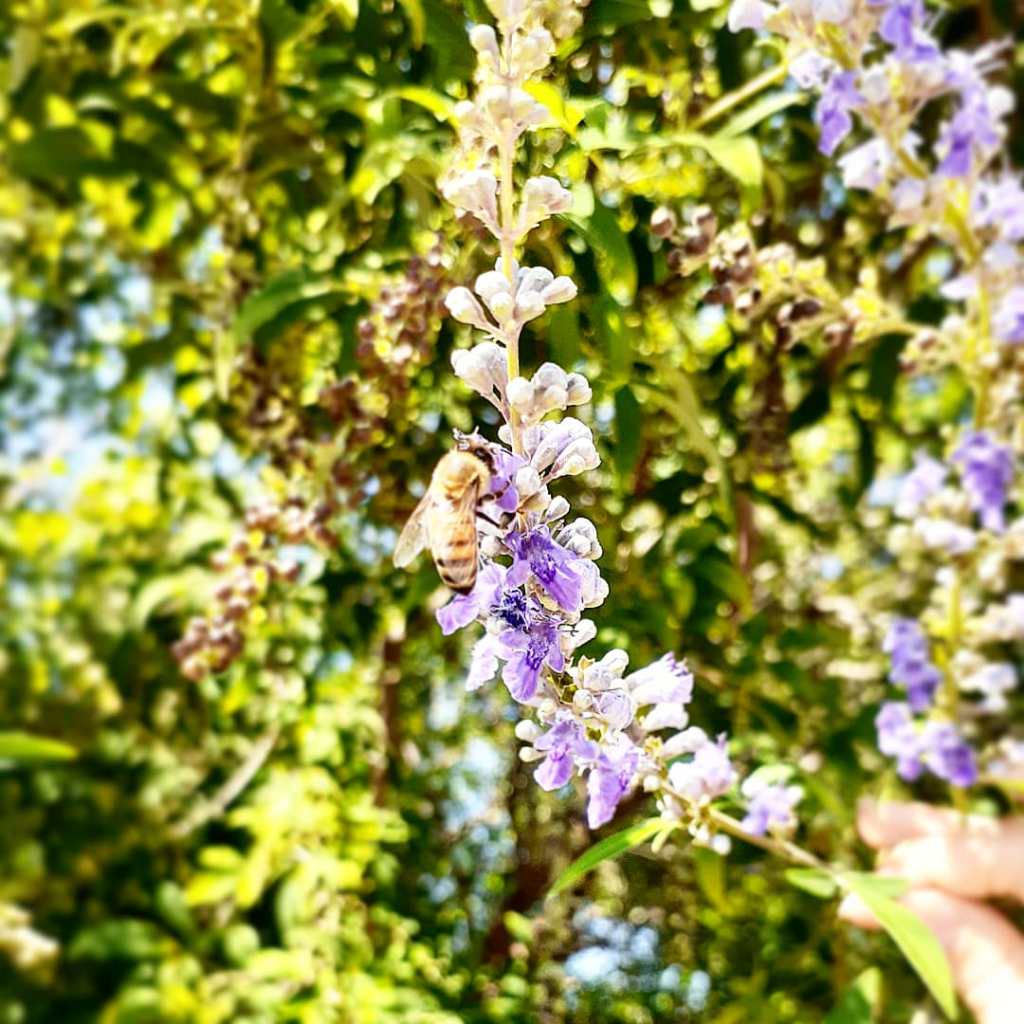
All this brings me to an idea of stewardship. Baking and gardening led to an interest in how to use scraps, compost, and reduce waste. Sustainable clothes were in direct backlash to the negative effects of fast fashion, but even when people couldn’t afford those clothes (they’re long lasting and frequently, significantly more expensive) there was a resurgence of love for thrift shops and upcycling projects. The wonderful news is that a whole movement of people is aiming to live a slower, less wasteful, and more intentional life. But there are so many aspects of life that need to be cleaned up for that to happen, and to start, we need to be educated. For example, I wanted to write a post on how everyday people can help the bees. I realized that I knew very little about bees or the more specific questions that I’d need to answer about them and their care. I could read a couple of blog posts and regurgitate what I found, but that’s not really helpful. What I need to do is research. And I don’t think I’m alone in saying that there’s a lot that needs to be done.
I hope to do detailed guides of resources in the future, but until then, the rest of this post will be a list of various topics to study so that maybe in the near future, I can help. I hope you’ll join me in this endeavor.
Native vs invasive plant life
Endangered pollinators (like bees and butterflies) and how to save them
Pet abandonment and stray animals + relief available (shelters, spay and neuter vouchers, education, legislation and enforcement, dump sites, etc.)
Food literacy (how meat is raised, slaughtered, processed, and distributed, gardening, micro farming, canning, fermentation and yeast cultures, etc.)
Recycling (the process from start to finish, how much “recycled” waste is actually processed, alternatives to recycling, such as upcycling projects, etc.)
Educational resources available (4H programs, home economics courses, community groups, afterschool programs, etc.)
Humanitarian outreach programs
How to read weather
That’s all I have for now. Please! Message me anything I’ve missed in the comments, and if you run a blog about any of these subjects, or know of good resources, please share! I’d love to hear from you.

 To All My Strangers