Hello Strangers,
If I’m honest, I feel really self-conscious about putting the word ‘cottagecore’ in so many of my titles and yet, I feel it’s oddly important to explain why it matters.
One of the things that I think is special about this aesthetic is that it sparked a movement which encourages the slow but sure return to sustainability and independence. Trapped inside during the pandemic quarantine, it’s true that most people weren’t quitting their jobs, buying cottages, and moving to small farms. But they were learning to bake bread from scratch. Many people learned a craft like book binding, painting, or embroidery. Sustainable clothing brands had a boom in business, and people did learn how to garden, whether that was terracotta pots filled with herbs in their windowsills, or full-scale garden plots containing tomatoes, cucumbers, zucchini, and corn. It helped many people disconnect from social media for long enough to regain a love of reading and writing, while others found a way to share beautiful content and artwork online that was less valued before.
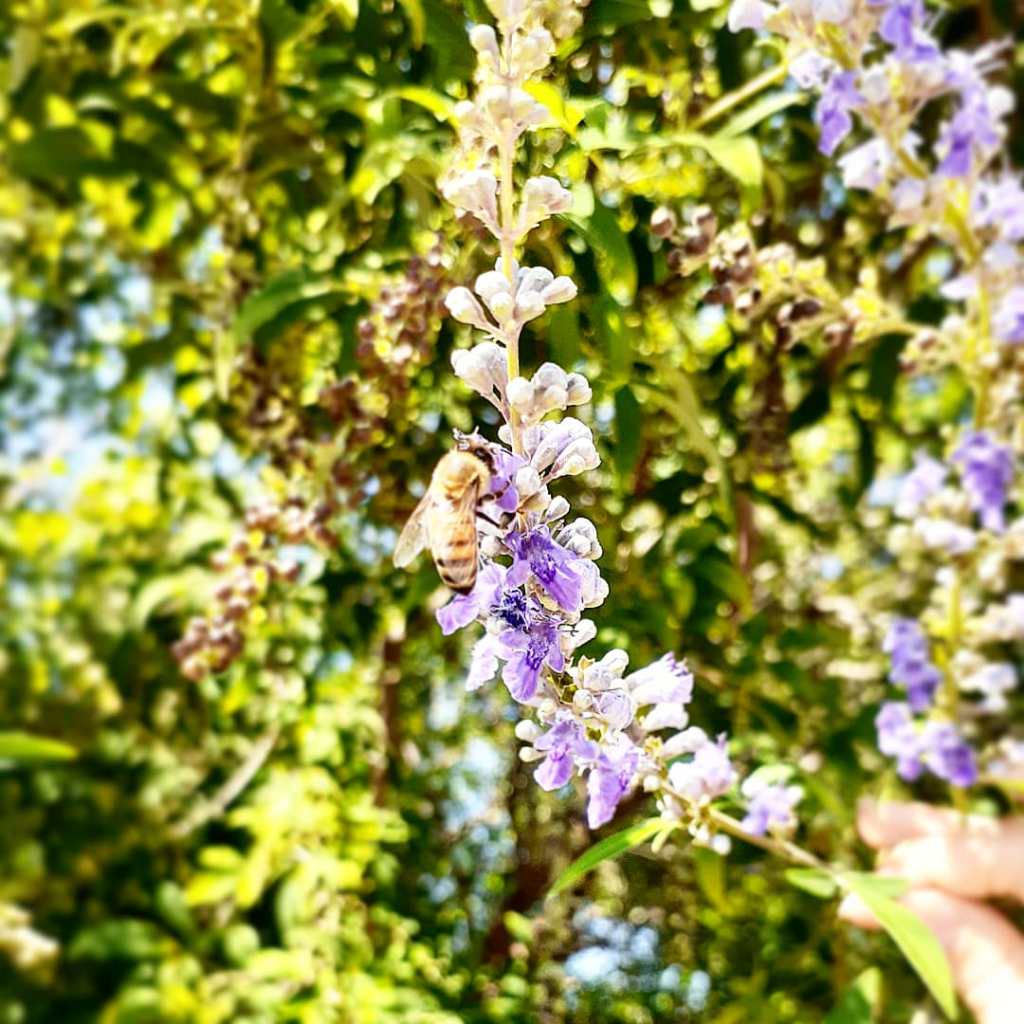
All this brings me to an idea of stewardship. Baking and gardening led to an interest in how to use scraps, compost, and reduce waste. Sustainable clothes were in direct backlash to the negative effects of fast fashion, but even when people couldn’t afford those clothes (they’re long lasting and frequently, significantly more expensive) there was a resurgence of love for thrift shops and upcycling projects. The wonderful news is that a whole movement of people is aiming to live a slower, less wasteful, and more intentional life. But there are so many aspects of life that need to be cleaned up for that to happen, and to start, we need to be educated. For example, I wanted to write a post on how everyday people can help the bees. I realized that I knew very little about bees or the more specific questions that I’d need to answer about them and their care. I could read a couple of blog posts and regurgitate what I found, but that’s not really helpful. What I need to do is research. And I don’t think I’m alone in saying that there’s a lot that needs to be done.
I hope to do detailed guides of resources in the future, but until then, the rest of this post will be a list of various topics to study so that maybe in the near future, I can help. I hope you’ll join me in this endeavor.
- Native vs invasive plant life
- Endangered pollinators (like bees and butterflies) and how to save them
- Pet abandonment and stray animals + relief available (shelters, spay and neuter vouchers, education, legislation and enforcement, dump sites, etc.)
- Sustainable clothing (sewing/knitting/crocheting guides, DIY repairs, brand awareness, etc.)
- Food literacy (how meat is raised, slaughtered, processed, and distributed, gardening, micro farming, canning, fermentation and yeast cultures, etc.)
- Recycling (the process from start to finish, how much “recycled” waste is actually processed, alternatives to recycling, such as upcycling projects, etc.)
- Educational resources available (4H programs, home economics courses, community groups, afterschool programs, etc.)
- Humanitarian outreach programs
- How to read weather
That’s all I have for now. Please! Message me anything I’ve missed in the comments, and if you run a blog about any of these subjects, or know of good resources, please share! I’d love to hear from you.
All my hope,
—Mabel

 To All My Strangers